MY DEVICES
Advanced Technology for Precision Dermatology & Anti-Aging
Modern Dermatology and Anti-aging medicines combine clinical expertise with advanced technology to deliver safer, more precise, and longer-lasting results.
Modern Dermatology and Anti-aging medicines combine clinical expertise with advanced technology to deliver safer, more precise, and longer-lasting results. Medical devices play a crucial role in the diagnosis, treatment, and prevention of skin and aging concerns.
Over the years, Dr. Sharad Nadig has worked extensively in India and abroad with multiple advanced Dermatology and Anti-aging devices, allowing Dr. Nadig to tailor each treatment with precision and clinical judgment. With years of hands-on experience across multiple advanced technologies, Dr. Nadig ensures precise, safe, and consistently refined outcomes.
All devices used by Dr. Sharad Nadig are FDA approved for safety and efficacy.
The true success of Dermatology and Anti-aging treatment lies in the combinations of advanced technology and the physician’s experience, assessment, and personalized approach.
HEALTH AND YOUTHFULNESS ARE COMMITMENT, NOT MIRACLES.
Advanced Technology Enables
Precision
Safety
Customization
Natural Results
Diagnosis & Skin Assessment
Advanced diagnostic devices help in understanding the skin beyond what is visible.

Skin Magnifying Glass
This wonderful tool magnifies the skin 10 times larger than what you can see with the naked eye.
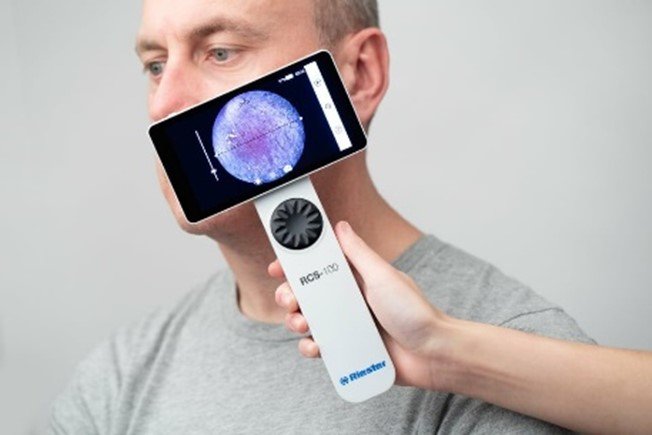
Digital Dermascope
Digital dermascopy is an advanced, non-invasive imaging technique that enhances conventional dermascopy by utilizing computerized imaging technology to assess Skin lesions, Aiding in the early-stage diagnosis of skin cancers, including Melanoma, Basal cell carcinoma (BCC) and Squamous cell carcinoma (SCC)
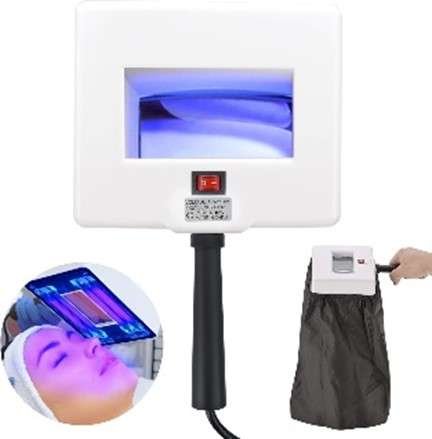
Woods Lamp
A Wood's lamp is a Dermatology diagnostic tool that uses long-wave ultraviolet (UV) light (black light) to reveal Skin, Hair, and scalp conditions by causing specific substances to fluoresce (glow) in distinct colours, helping diagnose infections (Bacterial, Fungal), Pigment disorders (like vitiligo), and Oiliness, often requiring a dark room for examination
Dermascope
A derma scope is a handheld diagnostic tool with a magnifying lens and light source used by doctors to examine skin details, like moles and lesions, not visible to the Naked eye, helping detect Skin cancer, infections, and other conditions by revealing structures and patterns to assess for malignancy. Modern versions often connect to smartphones or computers, allowing for digital image capture, storage, and sharing for better monitoring and telemedicine.
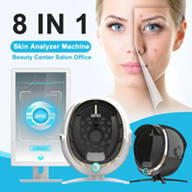
Skin Analysis System – Dermascan
AI intelligent imager—it analyses Hydration, Elastic, Pore sizes, Pigmentation, Skin texture, Skin sensitivity, Wrinkles, etc.
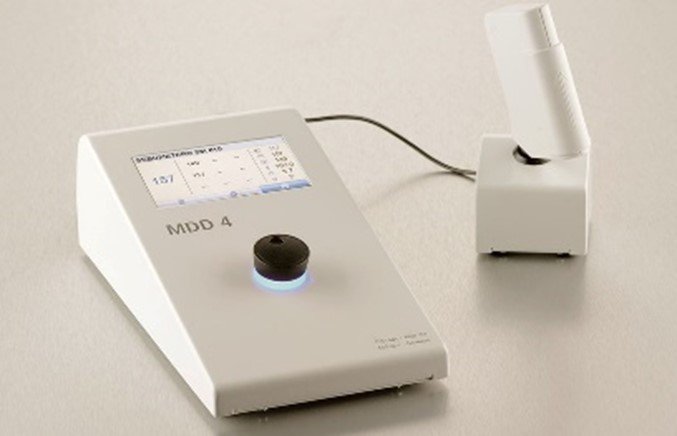
Sebometer
Measures oil secretion Helps Customize Acne and Anti-Aging Treatment.
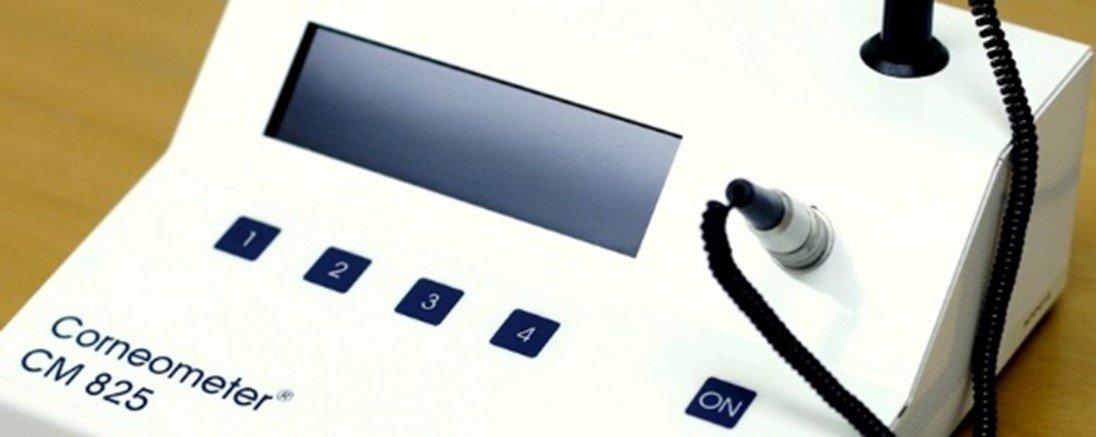
Corneometer
Measures skin hydration Essential for Barrier Repair ANF Aging assessment
TEWL –Transepidermal Water Loss
Evaluate skin barrier integrity
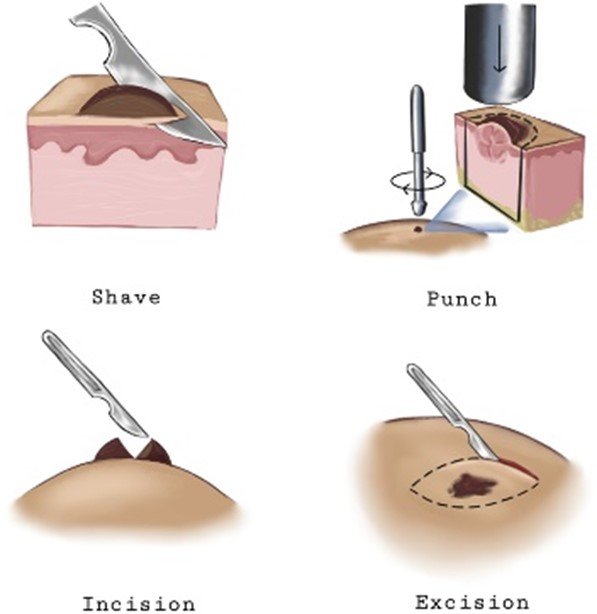
Skin Biopsy
A skin biopsy is a common Dermatology procedure where a doctor removes a small piece of skin tissue to examine under a microscope, helping diagnose Skin cancers (like Melanoma), Infections, inflammatory conditions (Rashes, psoriasis), or other skin issues, using methods like Shave, Punch, or excisional Biopsies, usually done with local anaesthetic in a clinic
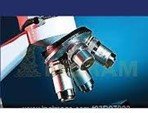
Microscopic Hair Examination
Hair loss—Alopecia—Supports diagnosis of conditions like alopecia areata or androgenic alopecia by identifying specific shaft abnormalities or follicular issues.
• Fungal infections—KOH mounts under a microscope can reveal fungal hyphae or spores, aiding diagnosis.
• Trichology—Studies hair/scalp health, identifying damage (cut, frayed ends, breakage) from treatments or environmental factors, and assessing hair loss causes.
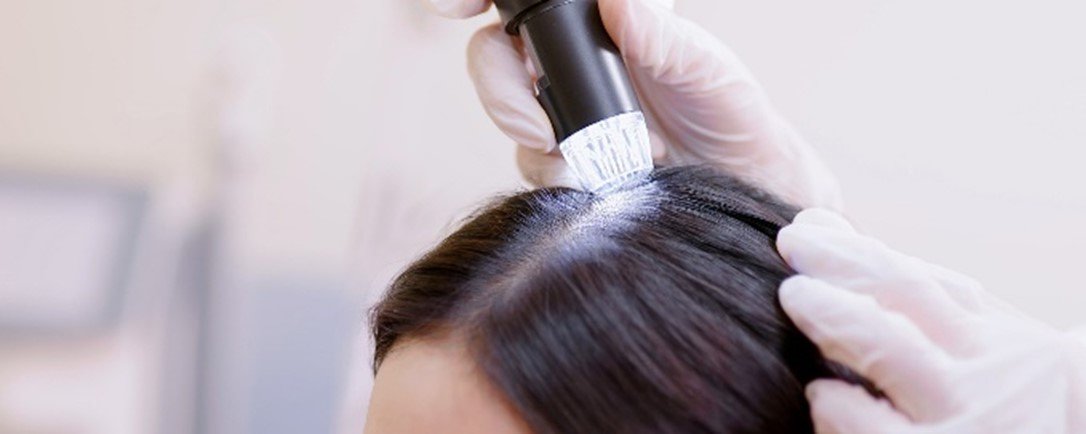
Trichoscopy
Trichoscopy is a non-invasive diagnostic method, essentially dermascopy for the scalp, that uses a magnified view (often with a digital device) to examine hair, hair follicles, and scalp structures in detail, helping Dermatologists diagnose various hair loss (alopecia) and scalp conditions like Dandruff, Psoriasis, or Infections, often reducing the need for painful biopsies and tracking treatment effectiveness.
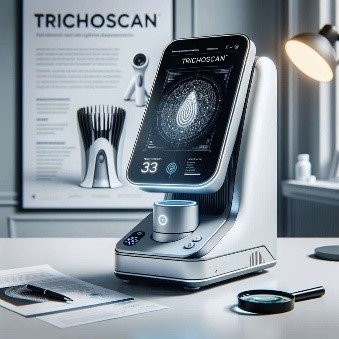
Trichoscan
TrichoScan is a high-tech, digital analysis system using a special camera and software to objectively measure Hair and scalp health, Assessing hair Density, Thickness, Growth rate, and the ratio of growing (anagen) vs. Resting (telogen) hairs, Helping diagnose hair loss types (like androgenetic alopecia) and monitor treatment effectiveness for therapies like finasteride or minoxidil. It works by taking detailed, magnified digital images of a small, Shaved scalp area, analyzing hair growth patterns over time, and providing quantifiable data for clinical studies and personalized treatment plans, often used in trichology clinics and research.
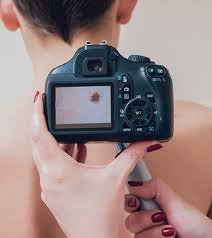
Digital Photography System
Digital photography systems in Dermatology use high-quality cameras (even smartphones) and specialized software to capture, Store, and analyse Skin images, crucial for documenting conditions, tracking treatment progress (e.g., psoriasis, Ulcers, melanoma surveillance), facilitating teledermatology consultations, and enhancing patient education, often incorporating advanced features like 3D imaging and macro/dermascopic views for detailed diagnosis and management. These systems improve clinical trials, enable remote diagnostics, and provide objective assessment, replacing traditional film methods with digital efficiency and accessibility.
Key Components & Features:
• Cameras: From high-end DSLR/mirrorless to smartphones, with macro capabilities for close-ups.
• Lighting: Controlled, consistent external lighting (like flash) is vital for accurate color and detail.
• Software: For image management, annotation, comparison (before/after), and integration into Electronic Health Records (EHR).
• Specialized system—Offers features like 3D total body imaging for melanoma screening or multispectral imaging for deeper tissue analysis.
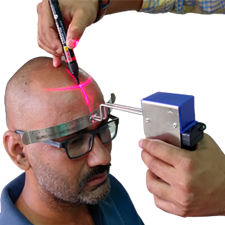
Laser hair line designer
Innovative device for hairline designing. Convenient and portable device to check hairline symmetry. The point of interaction of vertical and horizontal laser light would determine the mid-frontal point. The horizontal line would guide the frontotemporal points and the hairline, which can be adjusted according to age, sex, and face parameters of the patients. Can be used for all patients irrespective of age, race, and sex. An effective tool for patient counseling. Easy to use and a must for both novices and experts. Tags: Electric hairline design, Fast hairline design, Hairline design tool, Hairline designer, Hair liner, Laser hair design, quick hairline design
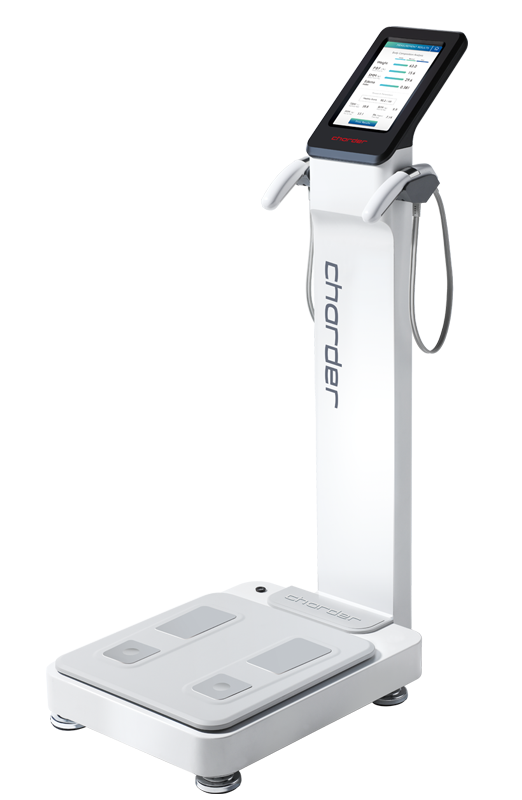
Body composition analyser
Body fat analysers that use Radiofrequency (RF) technology typically refer to two distinct types of devices: • The latest radiofrequency (RF)-based body fat analyzers for consumer use often incorporate multi-frequency Bioelectrical Impedance Analysis (BIA) technology and provide segmental analysis (arms, legs, trunk) for high accuracy. Notable products in this category include the Tanita RD-545PRO Inner Scan PRO and the Within Body Scan smart system. • Body Composition Monitors (Scales): These common consumer devices use Bioelectrical Impedance Analysis (BIA), not RF in the fat-reduction sense. BIA sends a safe, very low-level electrical current through the body to measure resistance and estimate body composition metrics (fat, muscle, water, etc.).
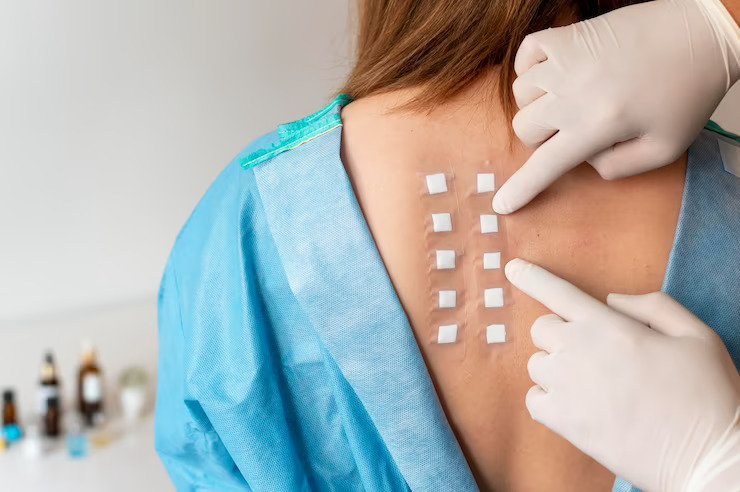
Allergy testing(Patch Test)
Used for delayed reactions (contact Dermatitis), applying patches with allergens to the skin for days to check for rashes.
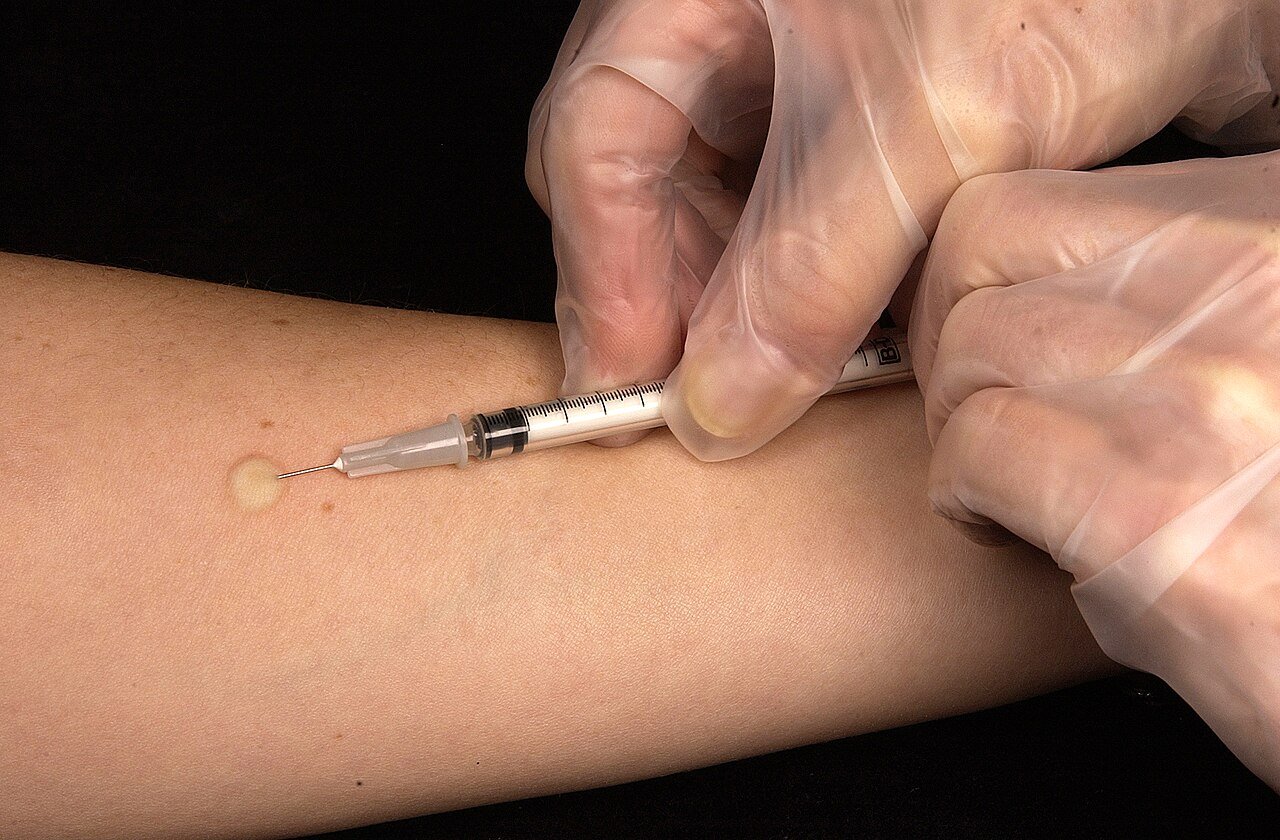
Intradermal test
Used for suspected drug or insect allergies, injecting allergens just under the skin's surface.
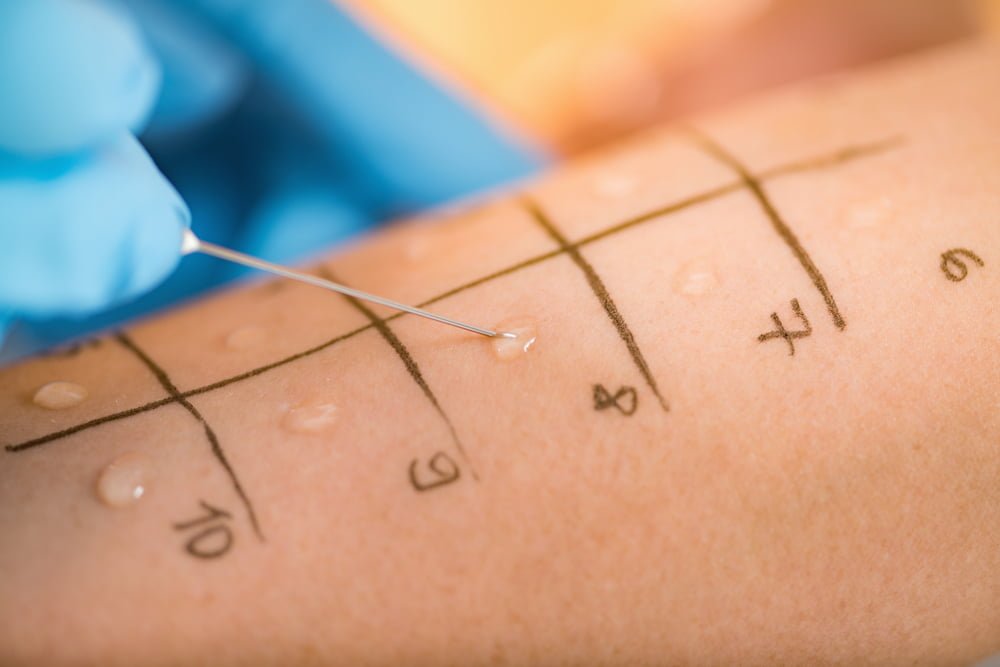
Skin Prick/Scratch Test
The most common type, involving light pricks or scratches with allergen extracts on the skin (forearm or back).
- General Dermatology
- Skin Aesthetics
- Hair Aesthetics
- Cosmetic Surgery
- Special Surgery
Lorem ipsum dolor sit amet, consectetur adipiscing elit. Ut elit tellus, luctus nec ullamcorper mattis, pulvinar dapibus leo.
Treatment Technologies
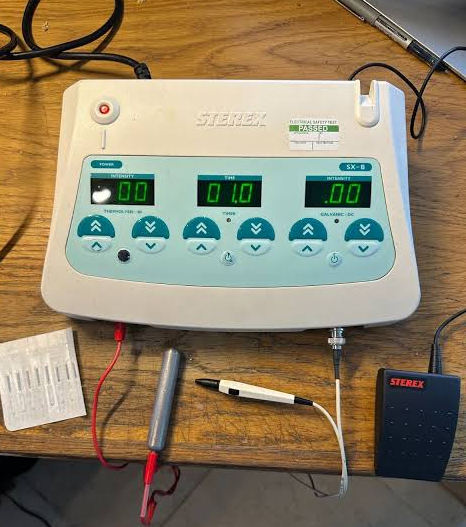
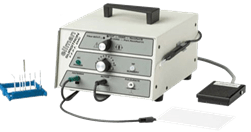
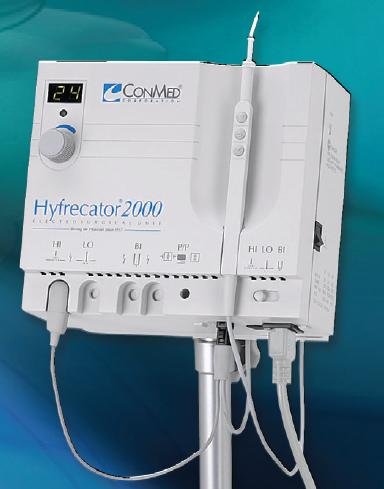
Electrosurgery [hyfrecator]
Electro surgery uses high-frequency alternating electrical current to generate heat in tissue for cutting, coagulating (stopping bleeding), desiccating (drying), or fulgurating (sparking/carbonizing) tissue, enabling precise surgery with less blood loss, and is vital in many specialties like dermatology.
It provides quick and cost effective modalities for the treatment of wide range of skin lesions both benign and malignant.
Warts, skin tags ,dpn,milia ,molluscom ,telengectasia etc.
Electro epilation
Electro epilation, also known as electrolysis, is a permanent hair removal method that uses a fine probe to deliver an electric current (heat) into individual hair follicles, destroying the growth cells and preventing future hair growth. It works on all hair and skin types, including white or fine hairs, and is the only FDA-approved method for permanent hair removal, making it ideal for hairs laser can’t treat.
Radiofrequency surgery
RF uses high-frequency alternating electrical current to generate heat in tissue for cutting, coagulating (stopping bleeding), desiccating (drying), or fulgurating (sparking/carbonizing) tissue, enabling precise surgery with less blood loss, and is vital in specialties like dermatology, differing from electrocautery by using AC rather than DC to avoid nerve stimulation.
Warts, skin tags, keratosis, and small skin cancers.
Cryosurgery
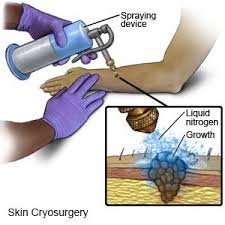
Cryosurgery, or cryotherapy, uses extreme cold (like liquid nitrogen) to freeze and destroy abnormal or diseased tissue, such as skin cancers, warts, and precancerous growths, by forming ice crystals that rupture cells. This minimally invasive, often outpatient procedure is performed with sprays or probes, offering benefits like low bleeding risk and quick recovery, and is used across dermatology, oncology, and general surgery for both cancerous and non-cancerous conditions.
Intralesional therapy
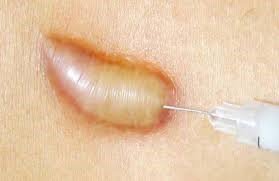
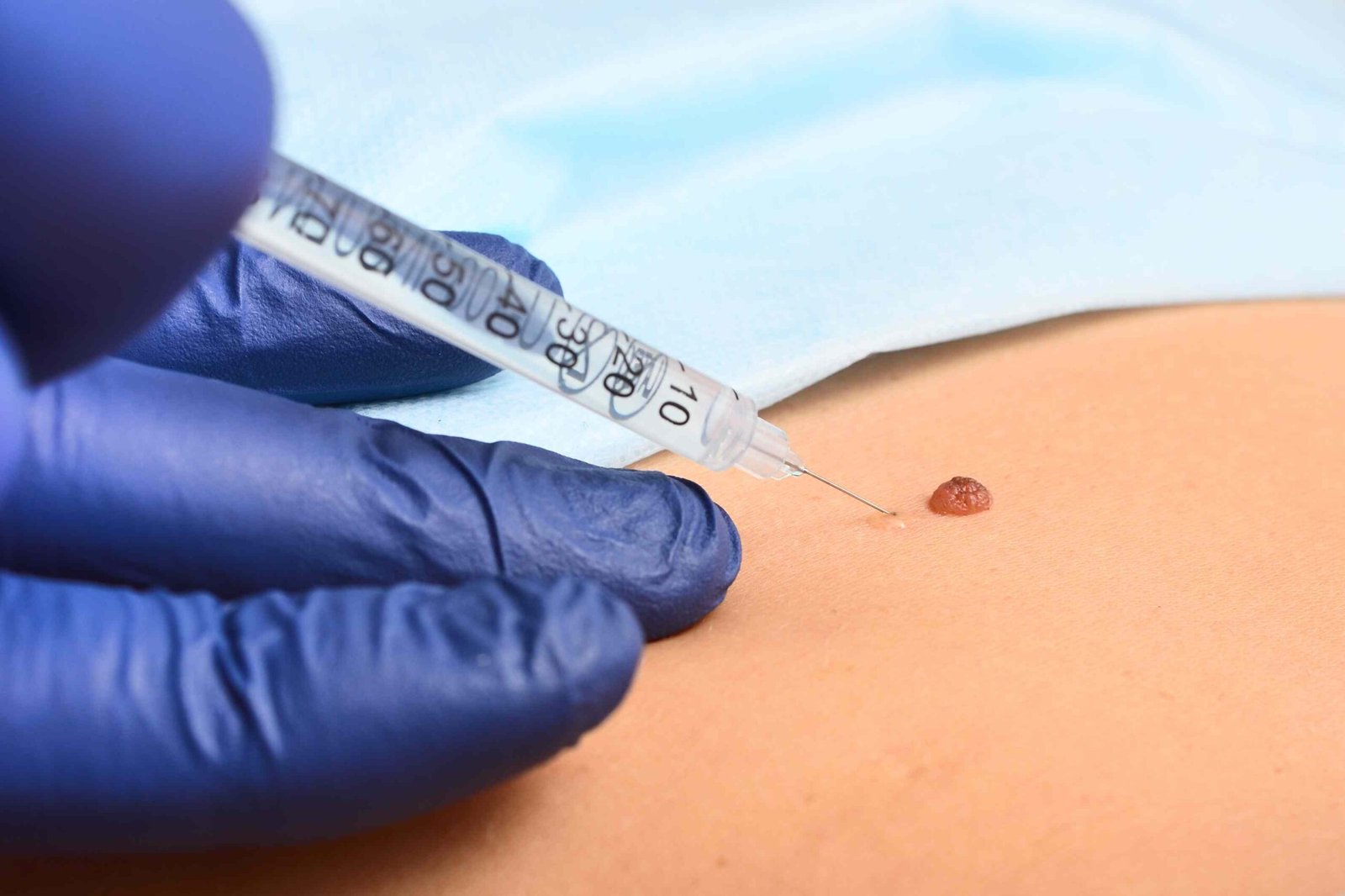
Intralesional therapy is a medical procedure where a therapeutic agent is injected directly into a skin lesion or immediately beneath it. The primary goal is to deliver a high concentration of medication to the specific site of pathology, maximizing efficacy while minimizing the systemic side effects that occur when drugs are taken orally or intravenously.
Keloids, hypertrophic scars, acne cysts, alopecia, and other benign and malignant skin lesions.
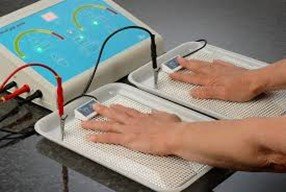
Iontophoresis
Iontophoresis for hyperhidrosis (excessive sweating) uses a mild electrical current through water to temporarily block sweat glands in hands, feet, or underarms, proving safe and effective for many by reducing sweat production significantly, requiring regular sessions for control, and often allowing home treatment after initial setup.
Wound management.
Wound management is the comprehensive care of injuries, from minor cuts to chronic ulcers, focusing on preventing infection, minimizing pain, and promoting fast, optimal healing through steps like cleaning, applying appropriate dressings (e.g., non-adherent, absorbent), controlling bleeding, managing underlying conditions (like diabetes), and proper nutrition. Key goals include creating a moist, protected environment for cell migration and restoring normal function, requiring assessment of wound type, etiology, and patient factors.
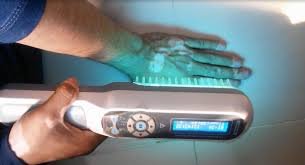
Phototherapy
Phototherapy for skin uses controlled doses of ultraviolet (UV) light (UVA or UVB) from artificial sources to treat skin conditions like psoriasis, eczema, and vitiligo by reducing inflammation and slowing skin cell overgrowth. Treatments involve light booths, handheld devices, or lasers, often requiring multiple sessions and consistency, with types like Narrow-Band UVB (NB-UVB) and PUVA (psoralen + UVA) being common, offering relief, clearing, or repigmentation depending on the condition. Iontophoresis for hyperhidrosis (excessive sweating) uses a mild electrical current through water to temporarily block sweat glands in hands, feet, or underarms, proving safe and effective for many by reducing sweat production significantly, requiring regular sessions for control, and often allowing home treatment after initial setup.
HAIR & SCALP ASTHETICS
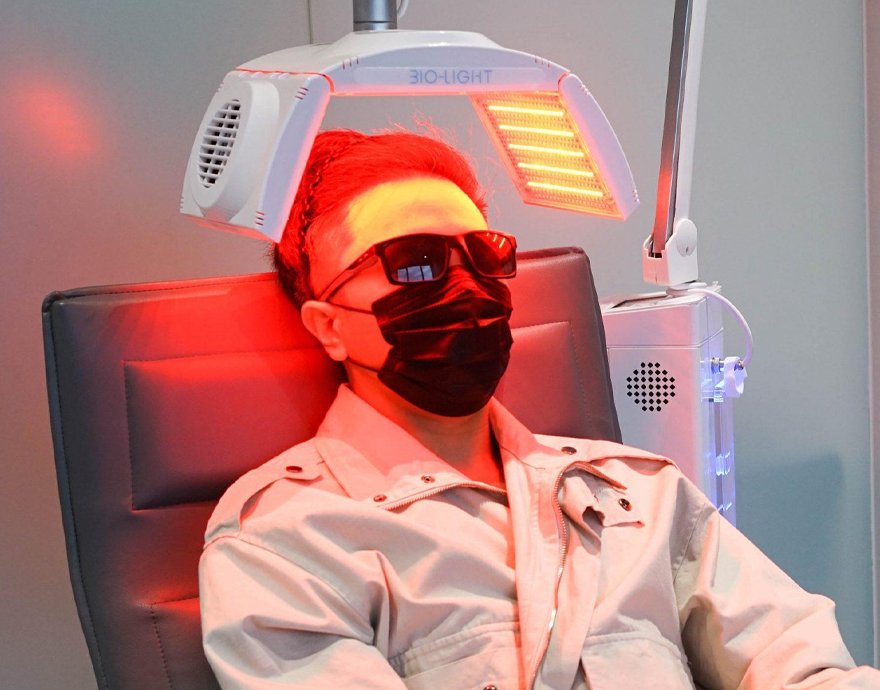
Bio-Light therapy
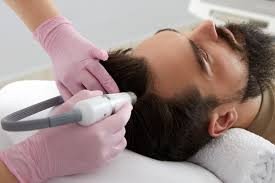
Low-level laser hair therapy (LLLT) is a Non-surgical hair loss treatment designed mainly for both men and women suffering from androgenetic alopecia (also known as pattern balding) and general hair loss. Laser light is used to stimulate cell growth and strengthen hair follicles.
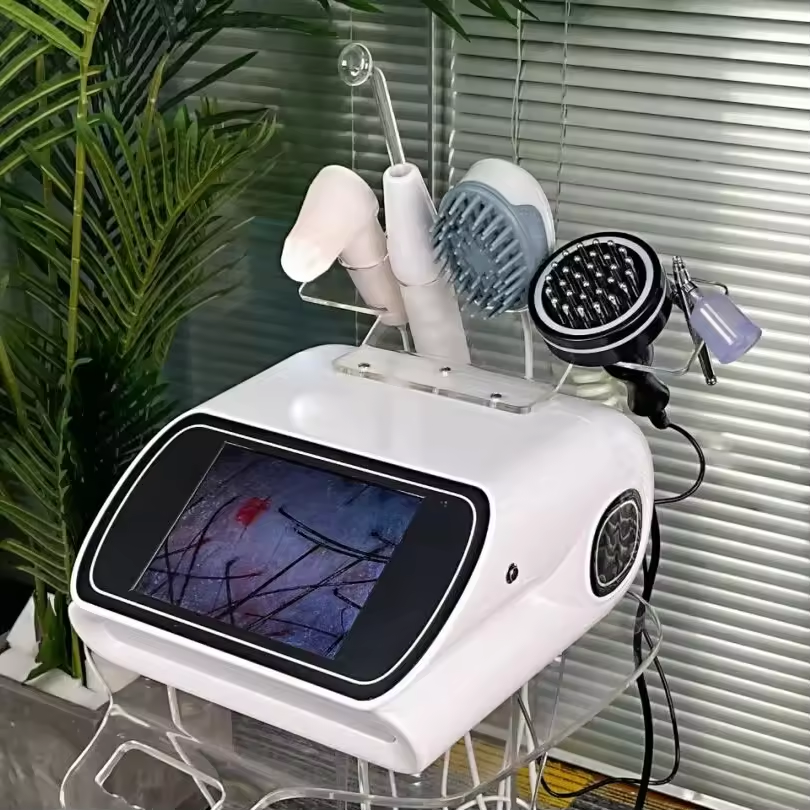
Scalp ultrasonic stimulator
Achieve healthy, strong, and powerful hair. The high-tech device acts on the hair follicles, promotes hair growth, improves blood circulation to the scalp, and helps absorb special products for hair. Hair ultrasonic therapy is effective and user-friendly. In addition to its compact size, ideal for traveling, the device has a rechargeable battery. The ultrasonic energy combined with the LED light therapy stimulates and nourishes the scalp, which has a positive effect on hair growth and density and reduces hair loss, as well as excessive Oiliness, Dandruff, and other scalp imbalances.
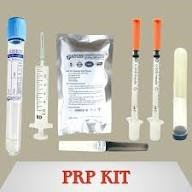
PRP therapy
PRP (Platelet-Rich Plasma) hair treatment is a non-surgical procedure that uses your own blood’s growth factors to Stimulate hair follicles, promoting natural hair Regrowth, Thickness, and Strength, especially for early hair loss or androgenic alopecia. It involves drawing blood, spinning it to concentrate platelets, and injecting this plasma into thinning areas of the scalp, offering minimal downtime and a natural approach to hair restoration.
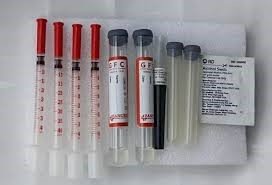
GFC Therapy
GFC (Growth Factor Concentrate) hair treatment is a non-surgical, natural therapy that uses concentrated growth factors from your own blood to stimulate Hair follicles, Reduce Hair fall, and promote thicker, Healthier hair growth, acting as a more refined version of PRP (Platelet-Rich Plasma) by isolating potent growth factors for targeted scalp injections. This safe, minimally invasive procedure improves scalp health, activates dormant follicles, and offers results with minimal downtime for both men and women experiencing early to moderate hair thinning, requiring fewer sessions than traditional methods.
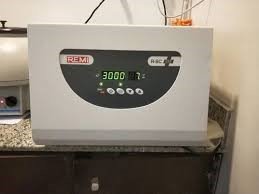
Centrifuge machine for PRP/GFC
A centrifuge machine uses high-speed rotation to separate substances of different densities, pushing heavier components to the bottom and lighter ones to the top, a process much faster than gravity. Crucial in labs for blood separation (plasma/cells), DNA/protein isolation, and industrial filtration, these devices work by spinning samples in tubes within a rotor, allowing scientists to analyse and purify components for research, diagnostics, and manufacturing.
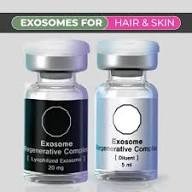
Hair Exosomes
Exosomes for hair are a cutting-edge regenerative treatment using tiny stem cell-derived vesicles to stimulate Hair follicles, Promote thicker hair, and Combat hair loss by delivering growth factors and proteins directly to the scalp, working at a cellular level to activate Dormant follicles, Improve circulation, and Reduce inflammation, offering a Non-surgical option for various hair thinning conditions.
Scalp Micro needling
Scalp microneedling uses fine needles to create micro-injuries on the scalp, triggering the body’s healing response to boost collagen, increase blood flow, and stimulate hair follicles, promoting hair regrowth for conditions like androgenetic alopecia (pattern baldness) and alopecia areata. This minimally invasive treatment is often combined with PRP enhance results, improving hair thickness and converting fine hairs to thicker ones, but professional guidance is crucial for proper diagnosis and technique
Scalp Micropigmentation Device
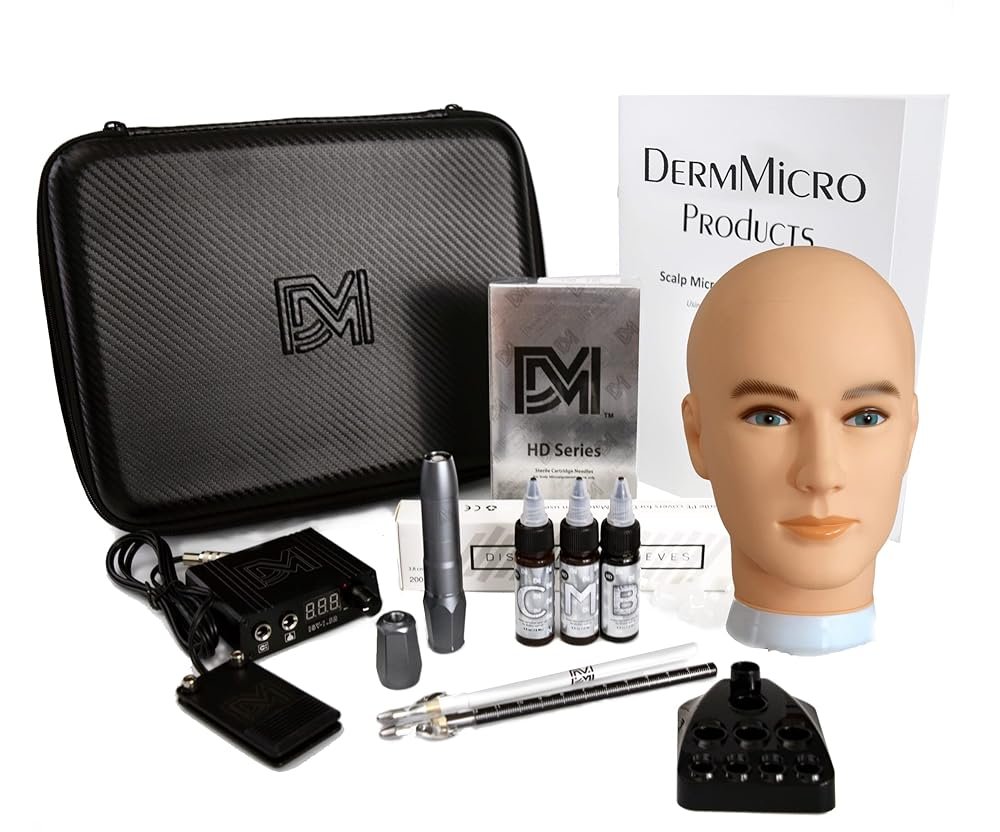
Scalp Micropigmentation (SMP) is a non-surgical cosmetic treatment, essentially a specialized form of tattooing that creates the illusion of fuller hair by depositing tiny dots of pigment into the scalp to mimic natural hair follicles, effectively camouflaging thinning areas, Receding hairlines, Bald spots, or Scars, and providing the look of a shaved head for baldness. Using fine Needles, skilled practitioners apply custom-matched pigments, building up density over 2-3 sessions for a realistic, natural finish that can restore confidence for men and women with various types of hair loss.
Laser hair removal
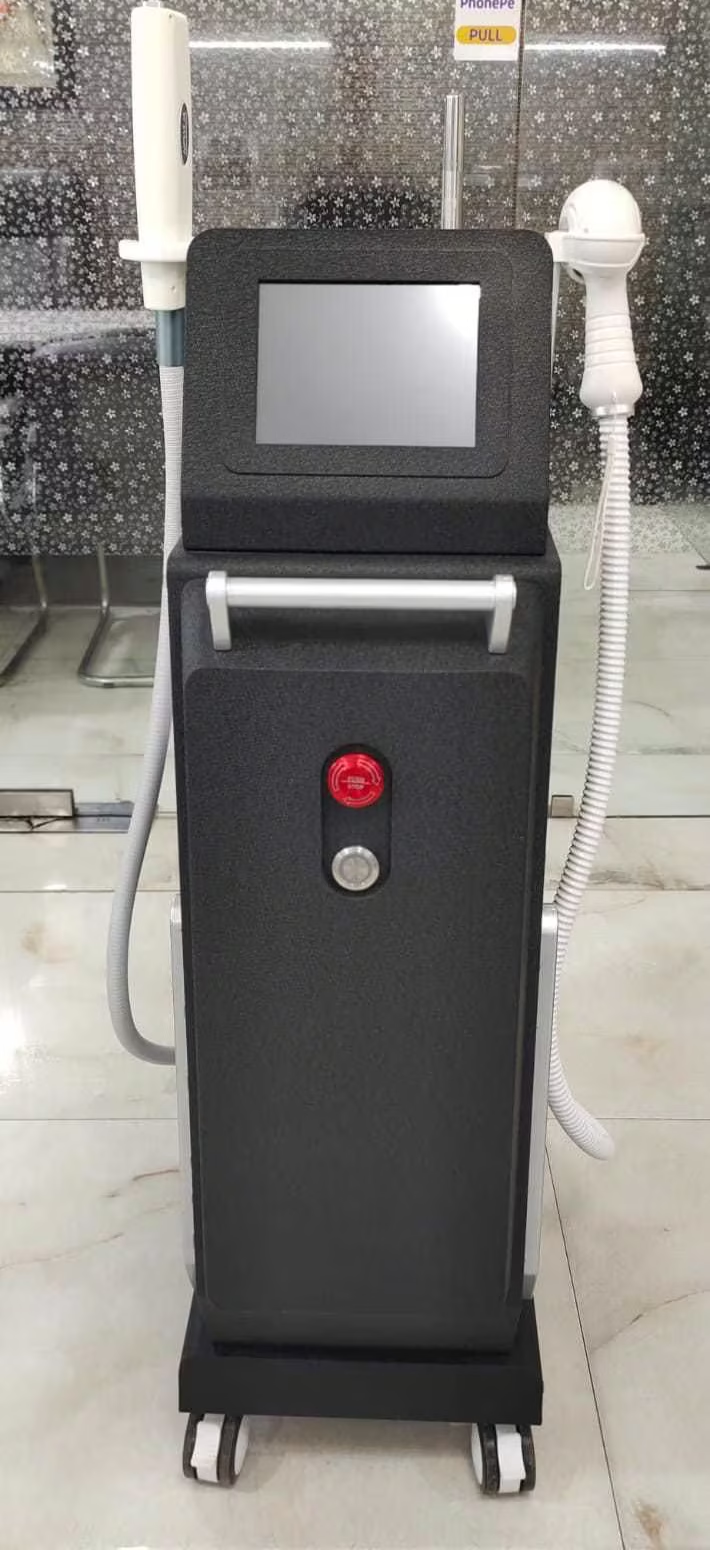
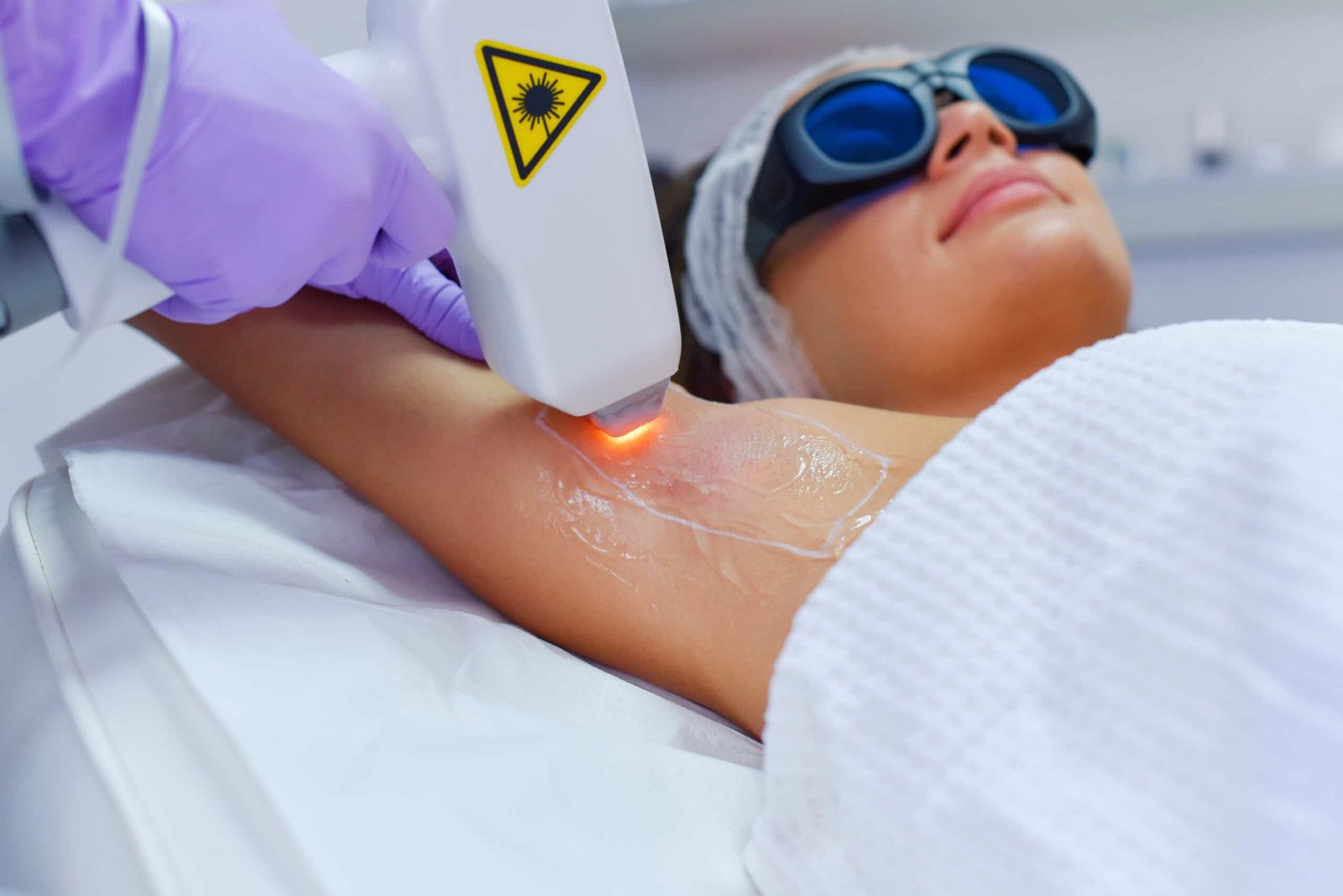
Laser hair removal is a medical procedure that uses a concentrated beam of light (laser) to remove unwanted hair. During laser hair removal, a laser emits a light that is absorbed by the pigment (melanin) in the hair. The light energy is converted to heat, which damages the tube-shaped sacs within the skin (hair follicles) that produce hairs. This damage inhibits or delays future hair growth. Although laser hair removal effectively delays hair growth for long periods, it usually doesn’t result in permanent hair removal. Multiple laser hair removal treatments are needed for initial hair removal, and maintenance treatments might be needed as well.
Micro blading
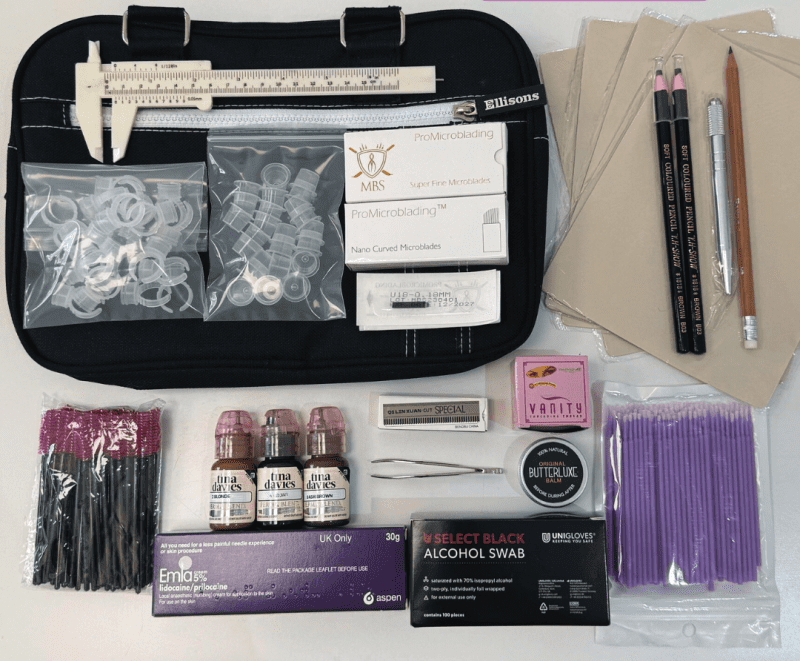
Micro blading is a popular, semi-permanent cosmetic tattooing technique that enhances eyebrows by creating natural-looking hair-like strokes using a handheld tool with tiny needles. The procedure is ideal for individuals with sparse or thinning brows who want a fuller, more defined look without daily makeup application. The process, which generally takes a couple of hours, involves a consultation, brow mapping, numbing, and pigment application into the upper layers of the skin. Results typically last between 12 to 18 months, and a touch-up session is recommended 4-8 weeks after the initial procedure to perfect the results
Skin Aesthetics
Chemical peels
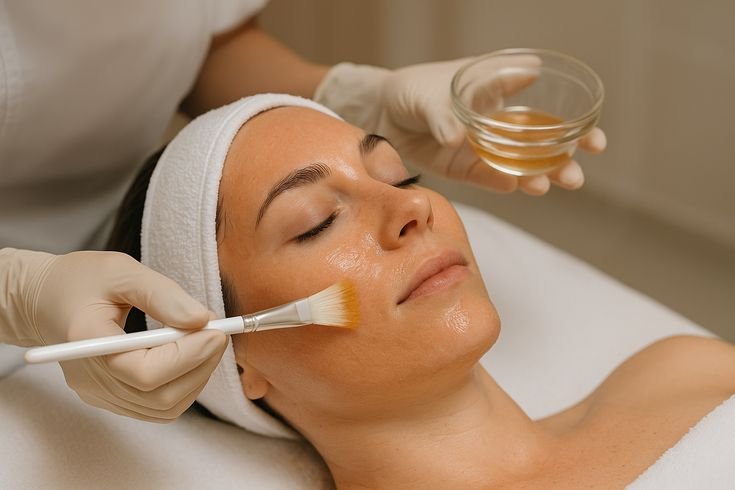
A chemical peel is a skin-resurfacing treatment using a chemical solution (acids) to exfoliate the outer layers of skin, revealing smoother, brighter, and more evenly toned new skin underneath, treating issues like Wrinkles, Acne, Scars, and discoloration. Performed on the Face, Neck, or hands, peels range from light (superficial) to deep, with deeper peels offering dramatic results but requiring longer recovery, and are performed by professionals to induce controlled injury and skin regeneration.
Lasers
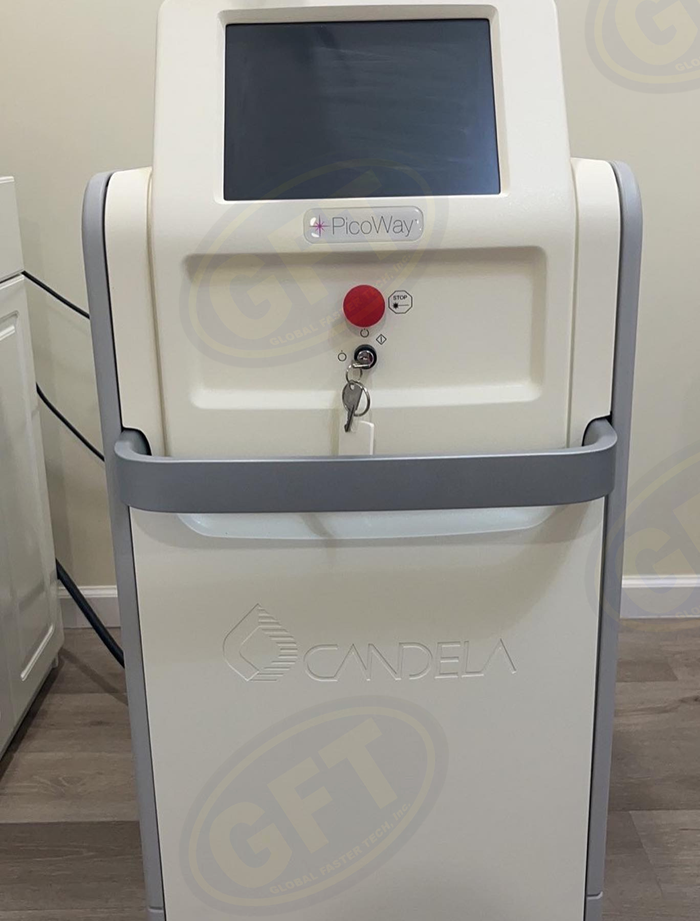
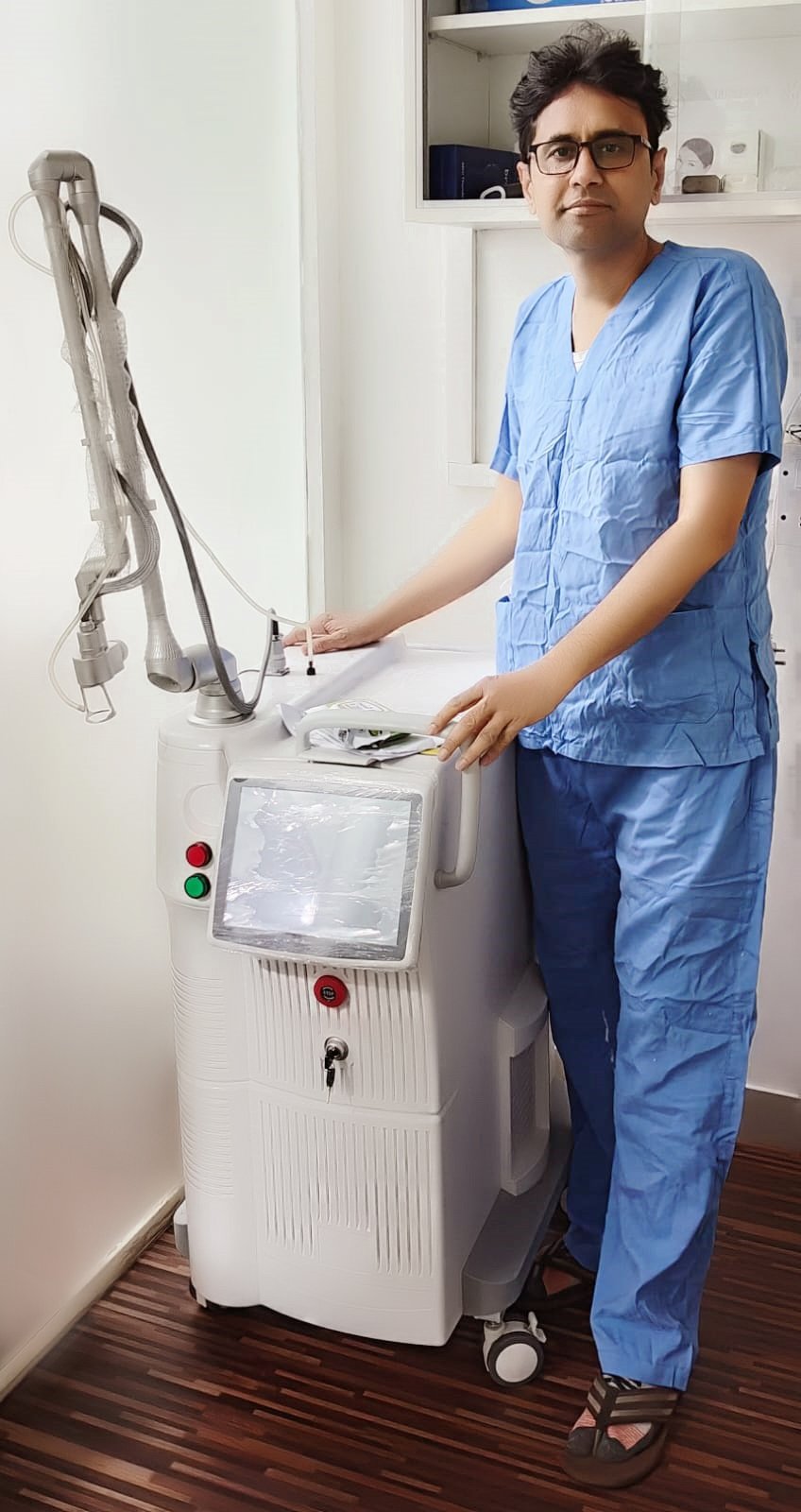
Skin lasers use focused light energy to treat various concerns by targeting specific skin components (like pigment or water), stimulating collagen, and resurfacing damaged layers for smoother, younger-looking skin, with options ranging from ablative (deeper, more downtime) for wrinkles/scars to non-ablative (less downtime) for texture, including CO2, Erbium, and IPL lasers.
Q switch lasers —Q-switched lasers are high-intensity, ultra-short pulsed lasers that deliver energy in rapid bursts to shatter targeted pigments like tattoos or melanin in skin, breaking them into tiny fragments that the body’s lymphatic system naturally clears, making them effective for tattoo removal, pigmentation issues (age spots, melasma), and skin rejuvenation by promoting clearer, even-toned skin
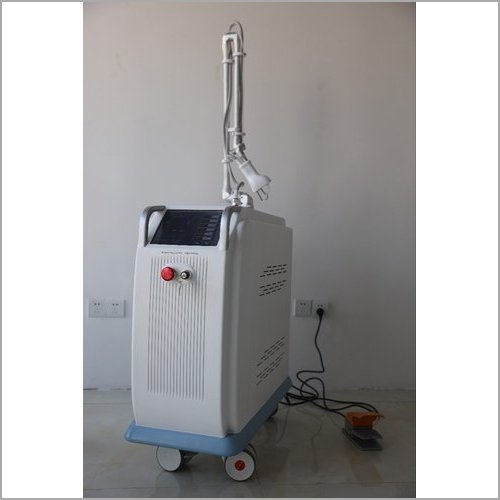
CO₂ lasers
In dermatology, CO₂ lasers are categorized by how they interact with the skin.
• Ablative: Vaporizes the entire top layer of skin. It provides dramatic results but requires significant recovery time (up to 2 weeks).
• Fractional: Creates microscopic “columns” of thermal damage while leaving surrounding skin intact. This “gold standard” for resurfacing allows for much faster
Laser Hair Removal
Laser hair removal uses concentrated light to target and damage hair follicles, resulting in long-lasting hair reduction. The procedure is a popular and effective alternative to temporary methods like shaving and waxing, and while it does not guarantee 100% permanent hair removal, it can significantly reduce growth for months or years
Tattoo removal with lasers
Laser tattoo removal uses high-intensity light beams to shatter ink particles in the skin, allowing the body’s immune system to gradually clear them, fading or removing the tattoo over multiple sessions, with black ink being the easiest and different colors needing specific lasers. It’s a non-invasive procedure requiring aftercare like cleaning and ointment, but outcomes depend on ink colour, size, type, and skin tone, with Q-switched Nd:YAG lasers common for this process
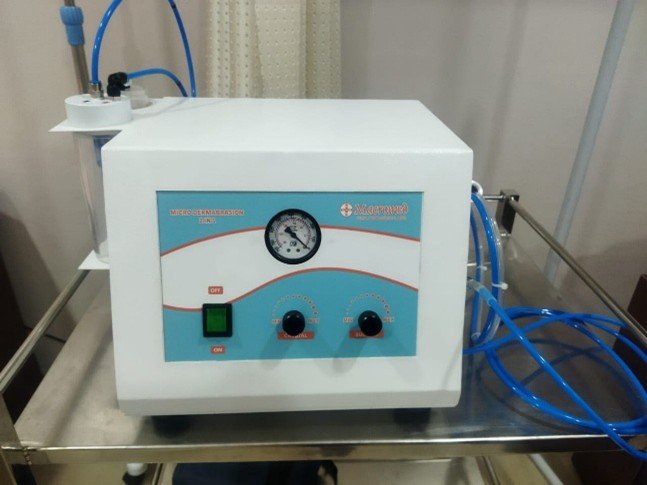
Microdermabrasion
Microdermabrasion is a minimally invasive cosmetic procedure that gently sands the skin’s outer layer (epidermis) to reveal healthier, younger-looking skin underneath, treating issues like fine lines, age spots, acne scars, uneven tone, and sun damage. It uses a handheld device with fine crystals (like aluminum oxide) or a diamond tip, combined with vacuum suction, to exfoliate dead cells, stimulate collagen, and improve skin texture, requiring no anesthesia and little downtime, though multiple sessions are needed for best results.
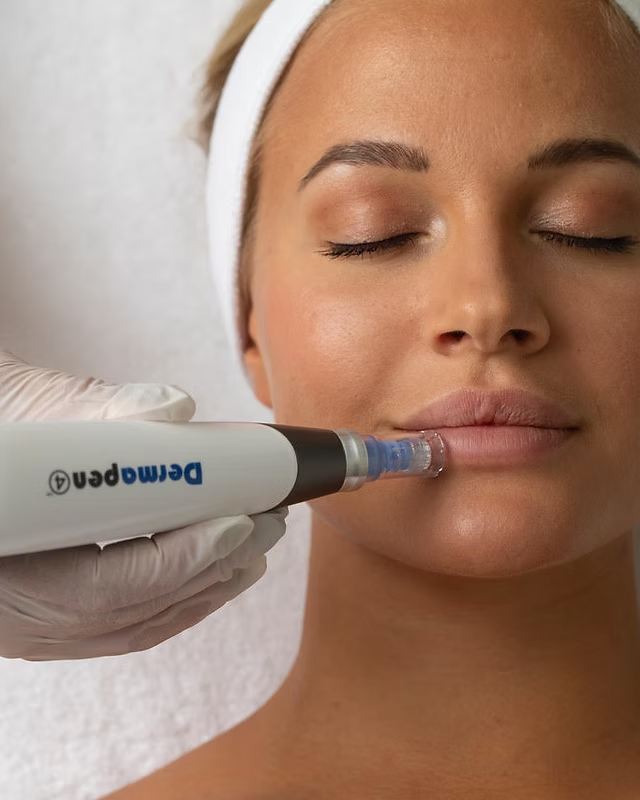
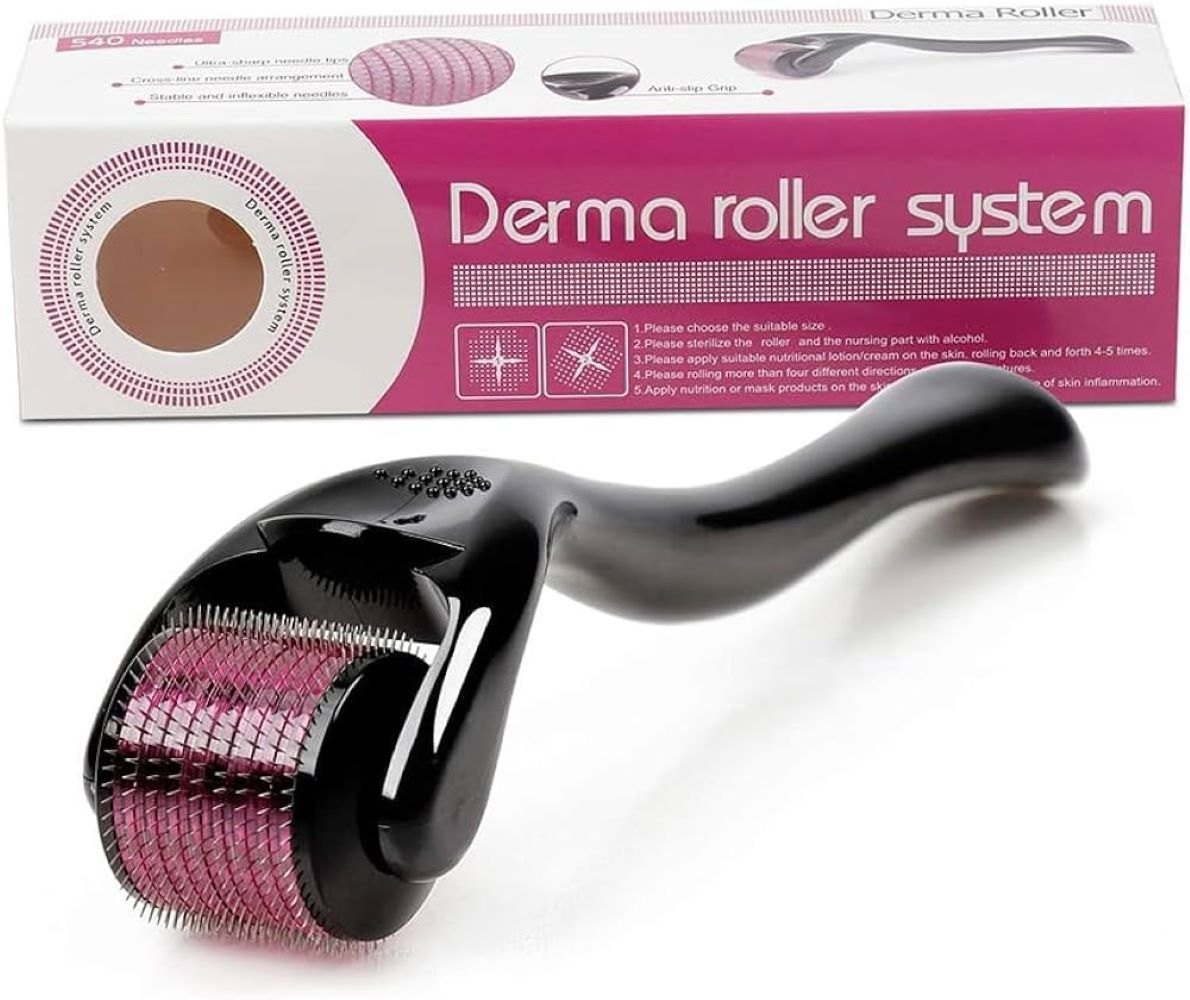
Micro needling
Microneedling, or collagen induction therapy, is a cosmetic treatment using fine needles to create micro-injuries in the skin, triggering its natural healing to boost collagen and elastin for smoother, firmer skin, effectively reducing scars, wrinkles, large pores, and uneven tone, and is safe for most skin types, though professional treatment is recommended over at-home devices for better results and safety
Manual microneedling device
Fractional Radiofrequency – Microneedling RF—MNRF
Fractional Radiofrequency (RF) is a non-surgical cosmetic treatment used for skin rejuvenation, tightening, and scar reduction. It works by delivering thermal energy (heat) to the dermis—the deeper layer of the skin—while leaving surrounding tissue intact to promote faster healing.
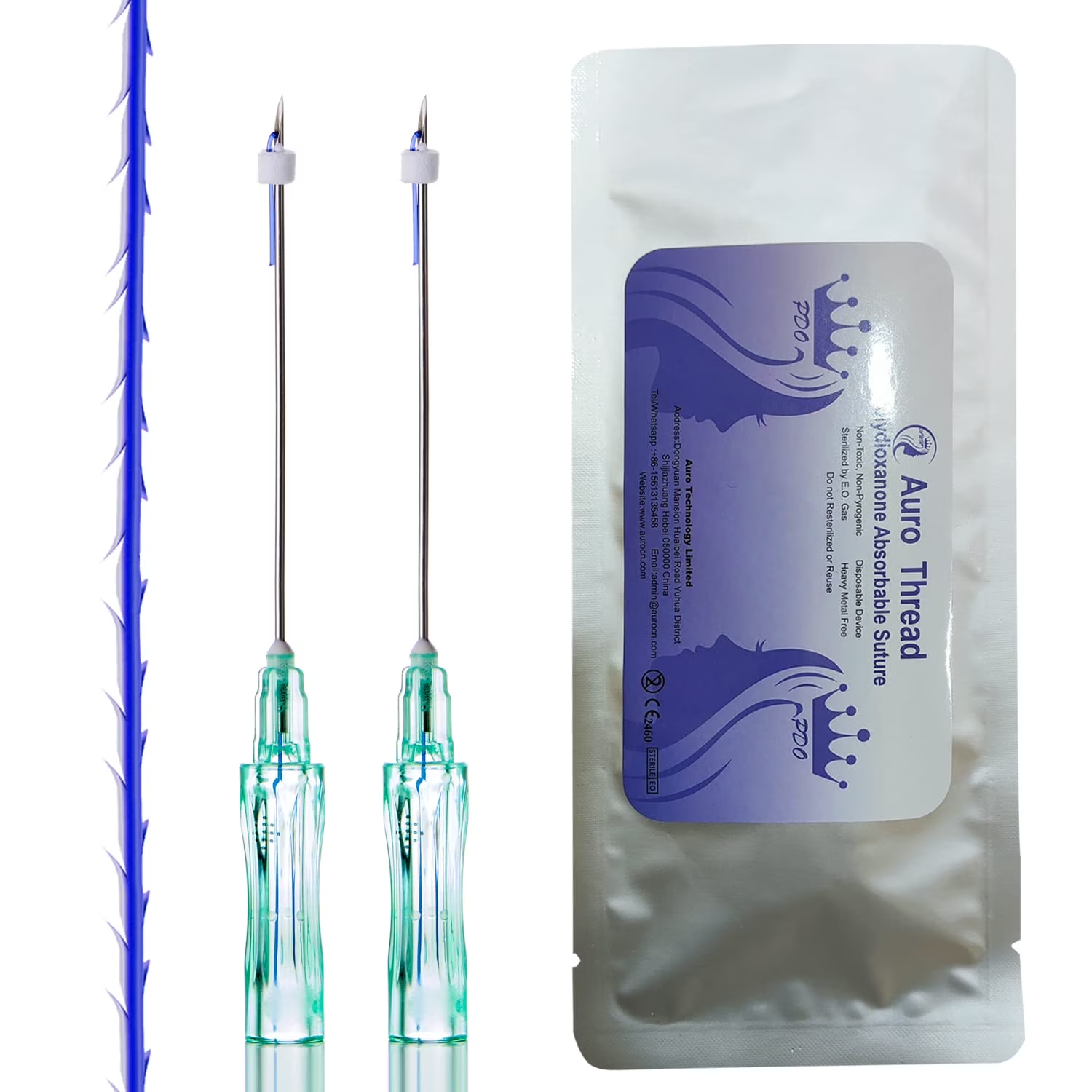
Thread Lift
A thread lift is a minimally invasive cosmetic procedure that uses medical-grade, absorbable sutures to physically lift and tighten sagging skin on the face and neck. Often called a “lunchtime facelift,” it offers a subtle rejuvenation without the downtime or scarring associated with traditional surgery
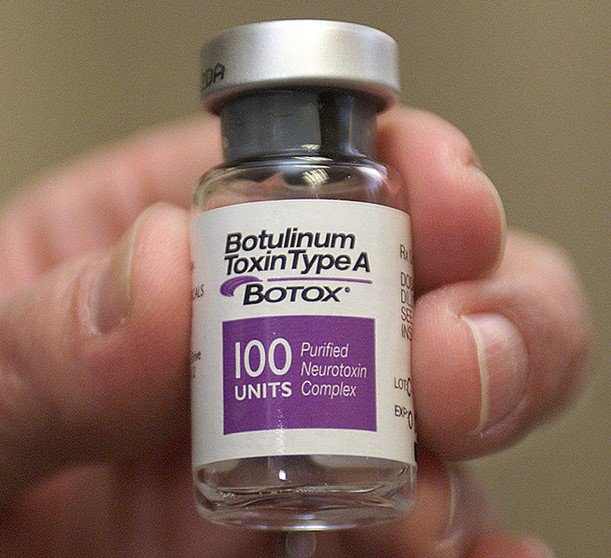
Botulinum Toxin
Botulinum toxin (BoNT) is a potent neurotoxin produced by Clostridium botulinum bacteria, famous for causing paralysis in high doses but also used medically and cosmetically in tiny, purified amounts to block nerve signals, relaxing muscles for wrinkle reduction (like Botox) and treating migraines, spasticity, and excessive sweating (hyperhidrosis). It works by preventing acetylcholine release at nerve endings, temporarily weakening targeted muscles, with effects lasting months, and must be administered by trained professionals
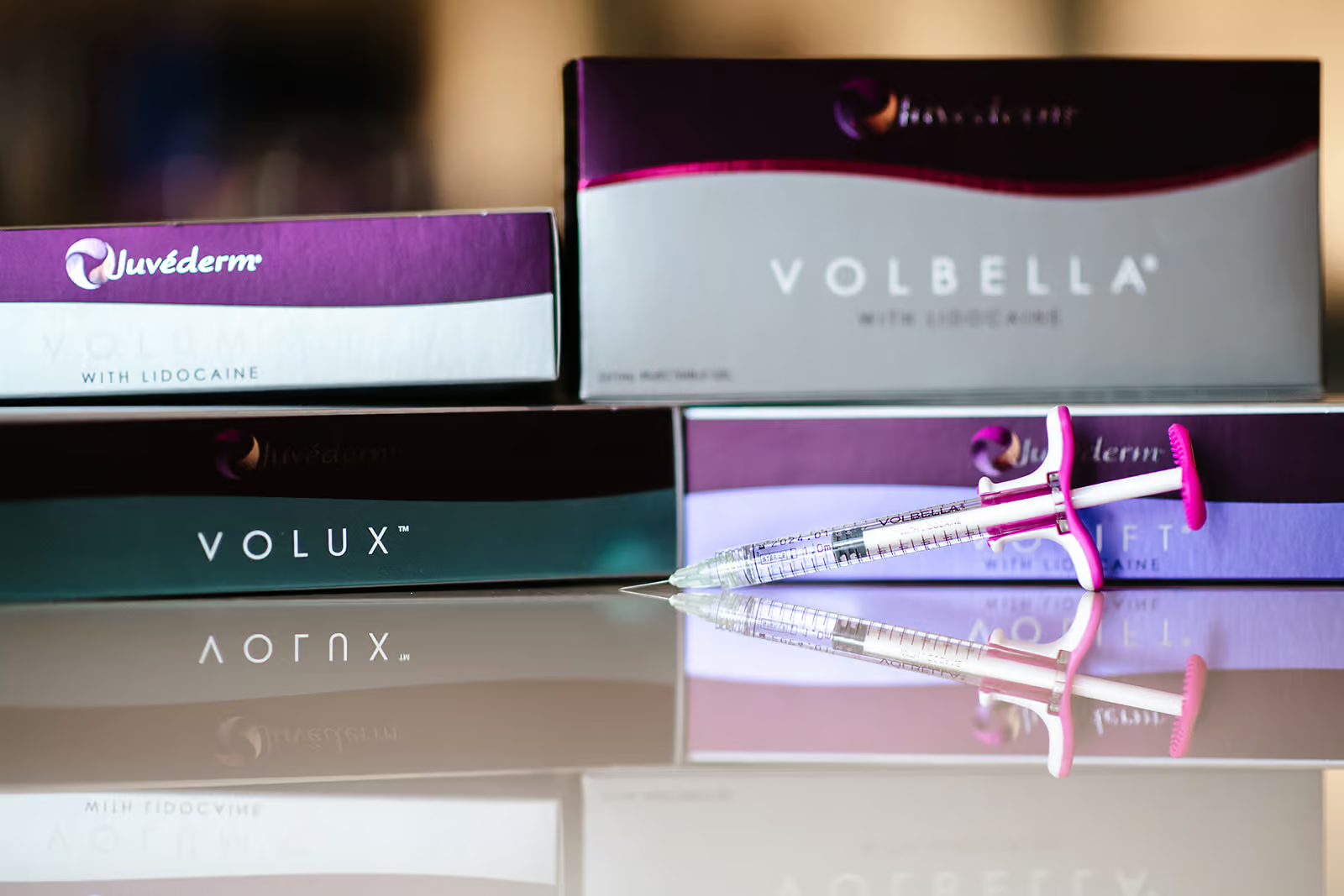
Dermal Fillers
Dermal fillers are injectable gel-like substances that plump wrinkles, smooth lines, restore lost facial volume, and enhance features like lips, cheeks, and hands, offering a non-surgical way to achieve a more youthful or defined look with immediate results that last months to years. Common types use substances like hyaluronic acid, calcium hydroxylapatite, or collagen stimulators, with treatment taking 15-30 minutes, and minimal downtime
Cold plasma treatment
Cold plasma uses ionized gas (like oxygen & nitrogen) at low temperatures to deliver reactive particles that sterilize wounds, kill microbes (bacteria, fungi, viruses), stimulate skin regeneration, boost circulation, and improve product absorption, making it great for chronic wounds, acne, scars, andfungi, andscars, and pigmentation.
Multipolar Radiofrequency—RF
MPRF is an aesthetic treatment that uses multiple electrodes to deliver controlled heat deep into the skin, stimulating collagen and elastin production for skin tightening, wrinkle reduction, and body contouring, with benefits including improved firmness, reduced cellulite, and minimal downtime, making it effective for face, neck, and body treatments. It works by heating dermal layers, boosting metabolism, and tightening existing collagen, leading to firmer, smoother skin over a series of sessions.
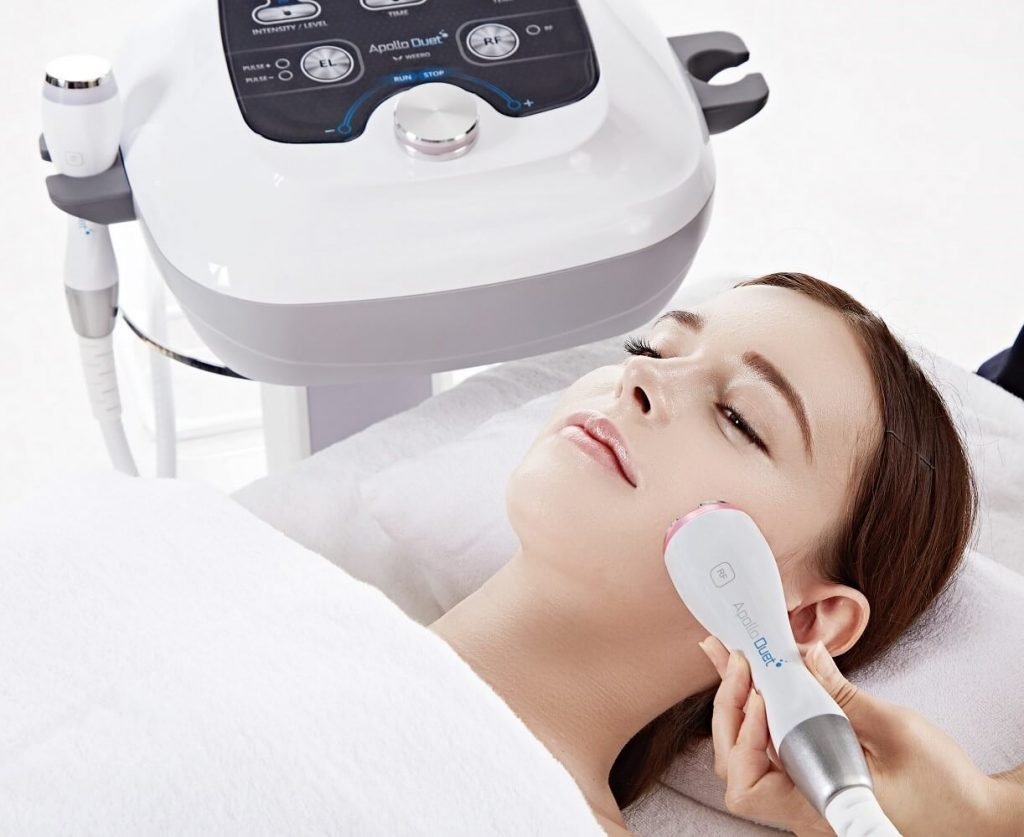
Electroporation & Iontophoresis
Duet combines electroporation and iontophoresis simultaneously to effectively insert therapeutic hydrophilic electrolytes (called dermaboost). Electroporation creates micro-channels in the outer layer of the skin. Iontophoresis effectively disperses the charged particles, inserted through these channels, into the deeper skin tissues.
The Duet electroporation/ iontophoresis handle can heat patients’ skin up to a temperature of 45ºC. Heating softens and dilates the skin, which significantly improves absorption of the therapeutic solutions. iontophoresissolutions. This handle can also cool patients’ skin to a temperature of -20ºC. Cooling calms the skin, thus enabling treatment of problematic skin conditions that are typically very difficult to treat, including irritated, inflamed, and sensitive skin.
By combining electroporation and iontophoresis, with skin heating or cooling when needed, Duet offers extremely effective restoration treatment for a wide range of skin conditions, including inflamed acne, dehydrated and irritated skin, pigmentation, seborrhea, rosacea etc.
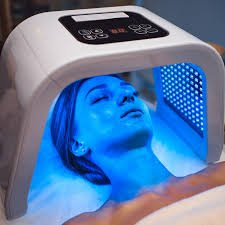
LED Therapy
Red, blue, and infrared light therapy are non-invasive treatments that use specific wavelengths of light to trigger natural biological processes in the body. Each color penetrates the skin to various levels.
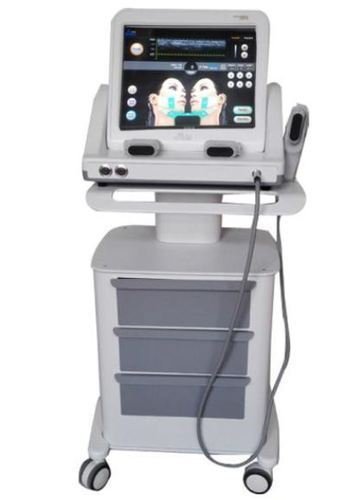
HIFU—High Intensity Focused Ultrasound
HIFU (High-Intensity Focused Ultrasound) is a non-invasive treatment using focused ultrasound energy to heat deep skin layers, stimulating collagen production for skin tightening, lifting, and wrinkle reduction, acting as a non-surgical alternative for facial contouring and body sculpting, with results appearing gradually over months.
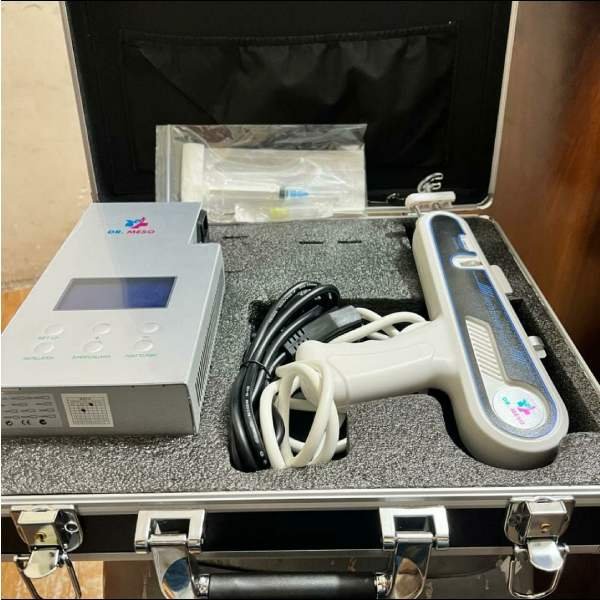
Mesotherapy
Mesotherapy is a minimally invasive cosmetic treatment using microinjections of customized vitamin, enzyme, hormone, and plant extract mixtures directly into the skin’s middle layer (mesoderm) to address concerns like skin aging, fat, cellulite, and hair loss, working by delivering nutrients and stimulating collagen production.
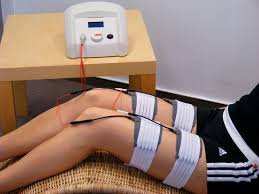
Electromuscular stimulation
Electrical Muscle Stimulation (EMS) uses electrical impulses sent through electrodes on the skin to cause involuntary muscle contractions, mimicking natural nerve signals to strengthen, tone, and rehabilitate muscles, reduce spasms, improve circulation, and aid recovery from injury or inactivity. It is common in physiotherapy but also used in fitness for enhanced workouts. It works by activating muscle fibers to improve strength, endurance, and function, helping conditions like muscle atrophy, post-stroke weakness, or post-surgery recovery, though significant aesthetic changes require diet and exercise
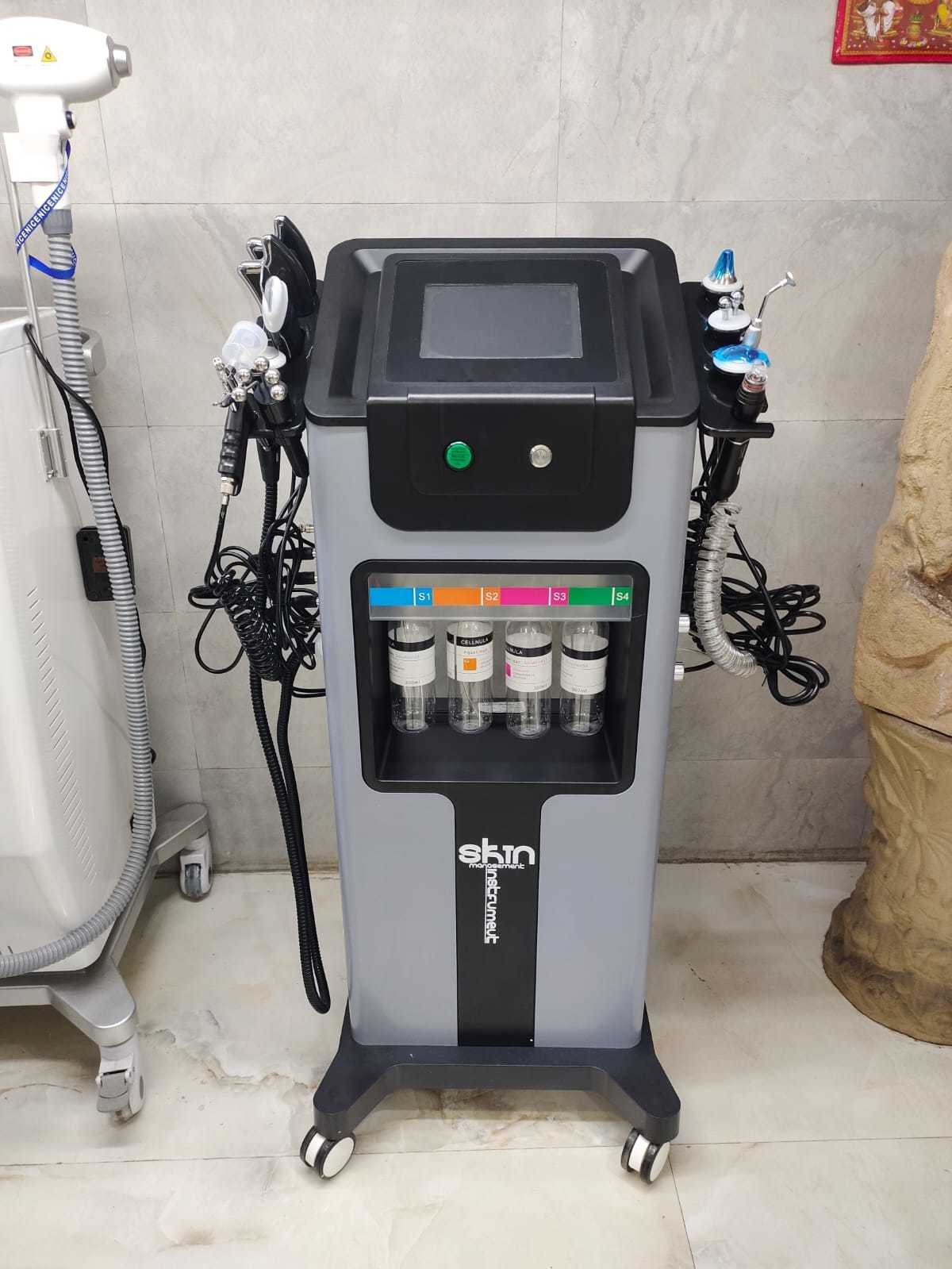
Hydrafacial device
A HydraFacial device is a professional skincare machine that uses a patented vortex-fusion technology to cleanse, exfoliate, extract impurities, and hydrate the skin simultaneously by delivering serums, resulting in smoother, clearer, and plumper skin with minimal downtime, targeting concerns like fine lines, dullness, and clogged pores. These multi-functional devices often include options for LED light therapy and can be customized with various serums for specific skin needs.
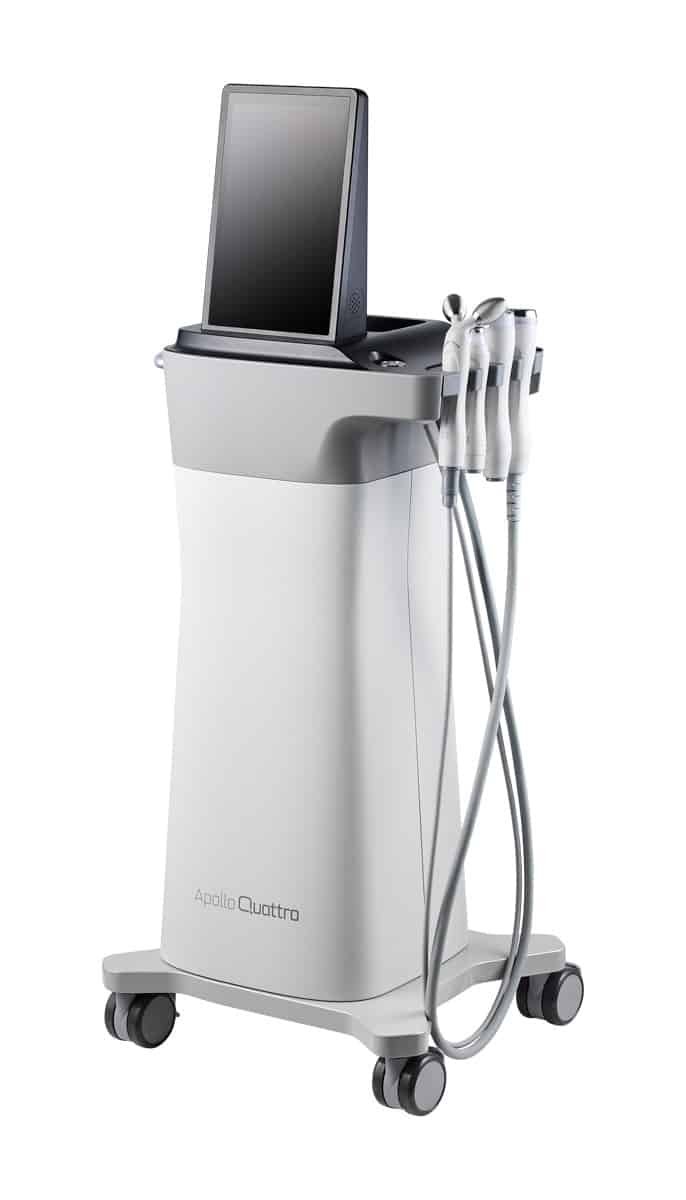
Quattro
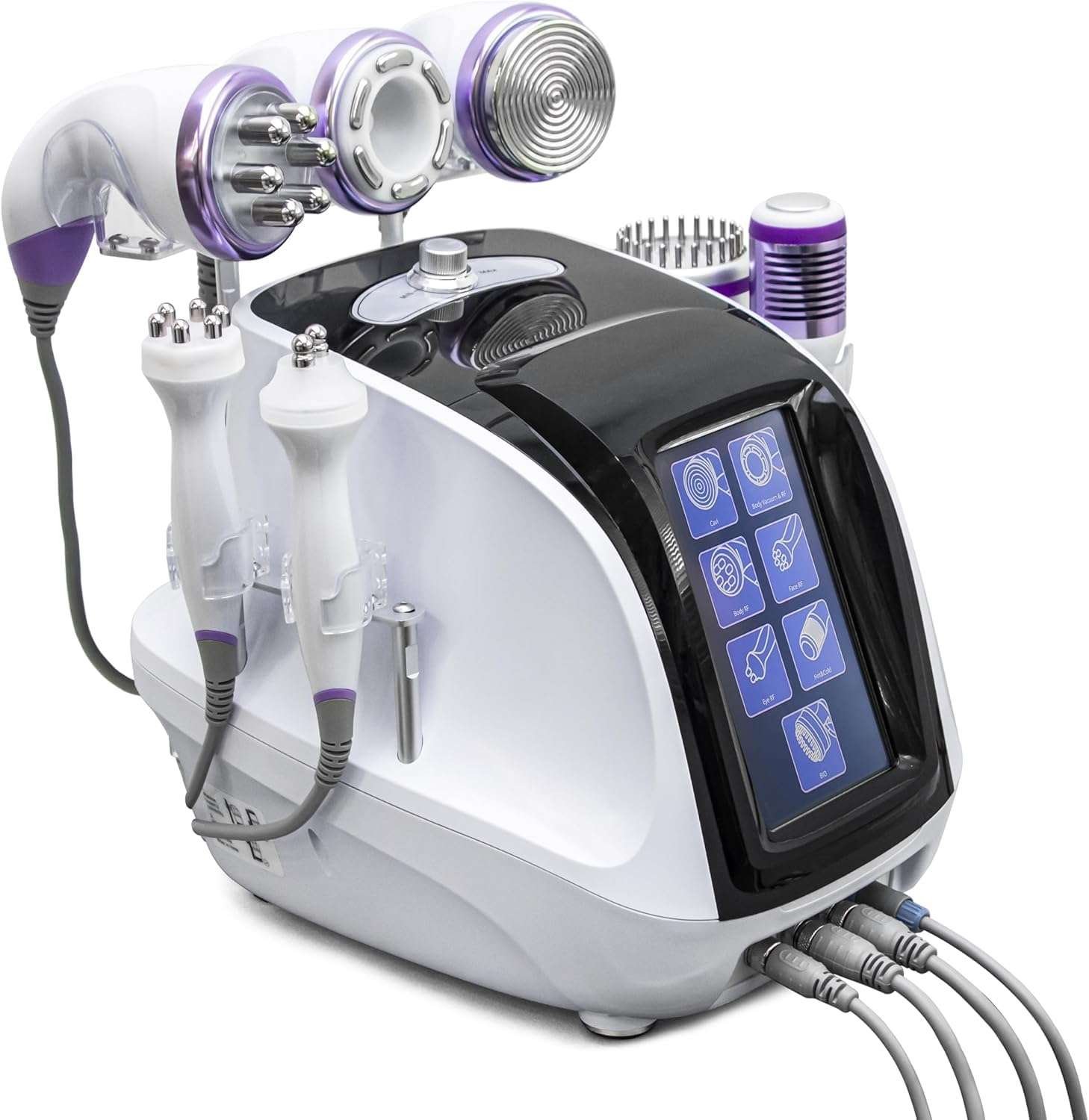
The Quattro is a cutting-edge, non-invasive aesthetic device combining four advanced technologies (radiofrequency (RF), electrical muscle stimulation (EMS), electroporation, and iontophoresis) into one platform for comprehensive skin rejuvenation, facial sculpting, and body contouring, offering lifting, firming, toning, and deep product infusion without downtime, making it a versatile tool for clinics.
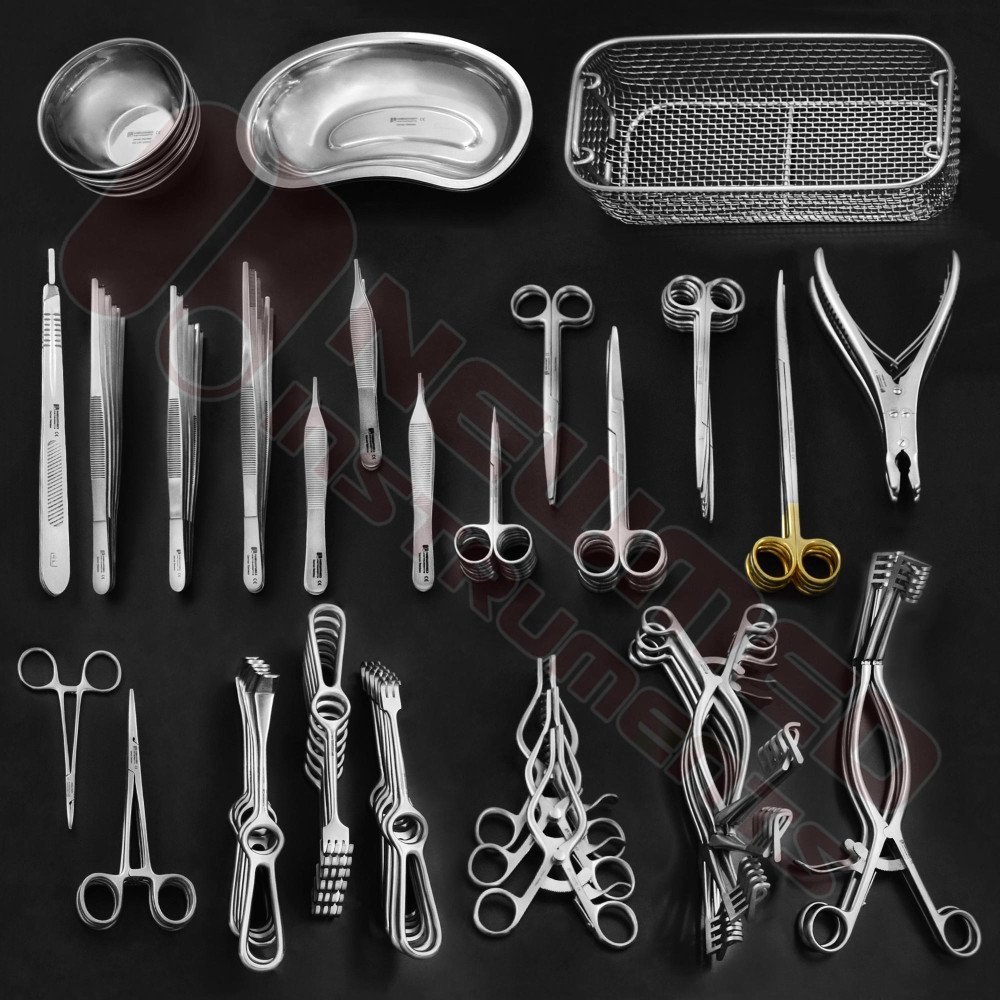
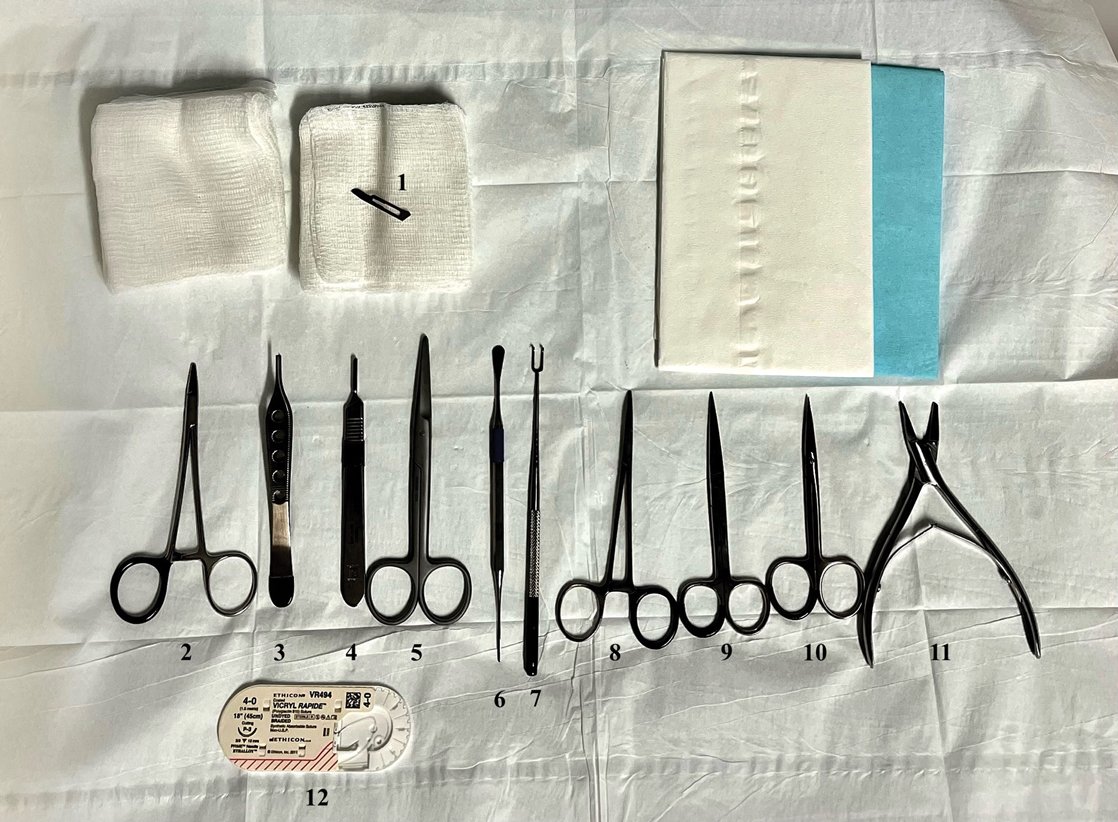
General instruments and equipment
For skin surgery, essential general instruments include scalpels and blades (like #10 and #15 for precision), various forceps (tissue, toothed, and non-toothed for grasping), scissors (Iris and tenotomy for delicate cuts), retractors (Army-Navy and Weitlaner for exposure), needle holders, curettes (for debridement), skin hooks (Bovie) for cutting/coagulation, and suction tools, plus skin staplers/glue for closure.
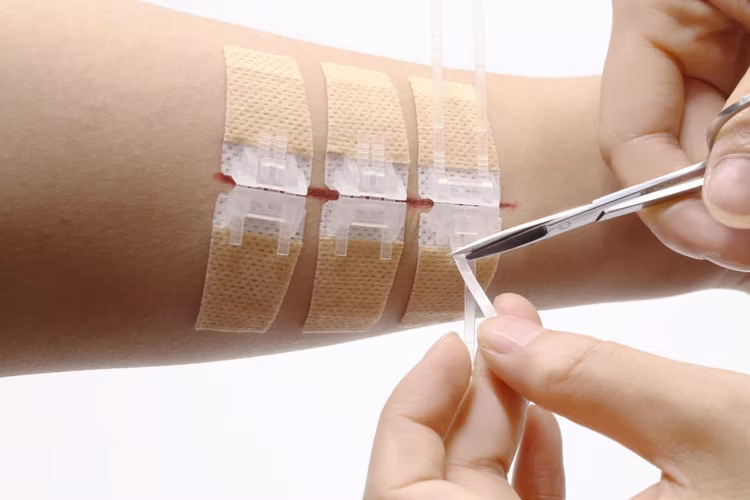
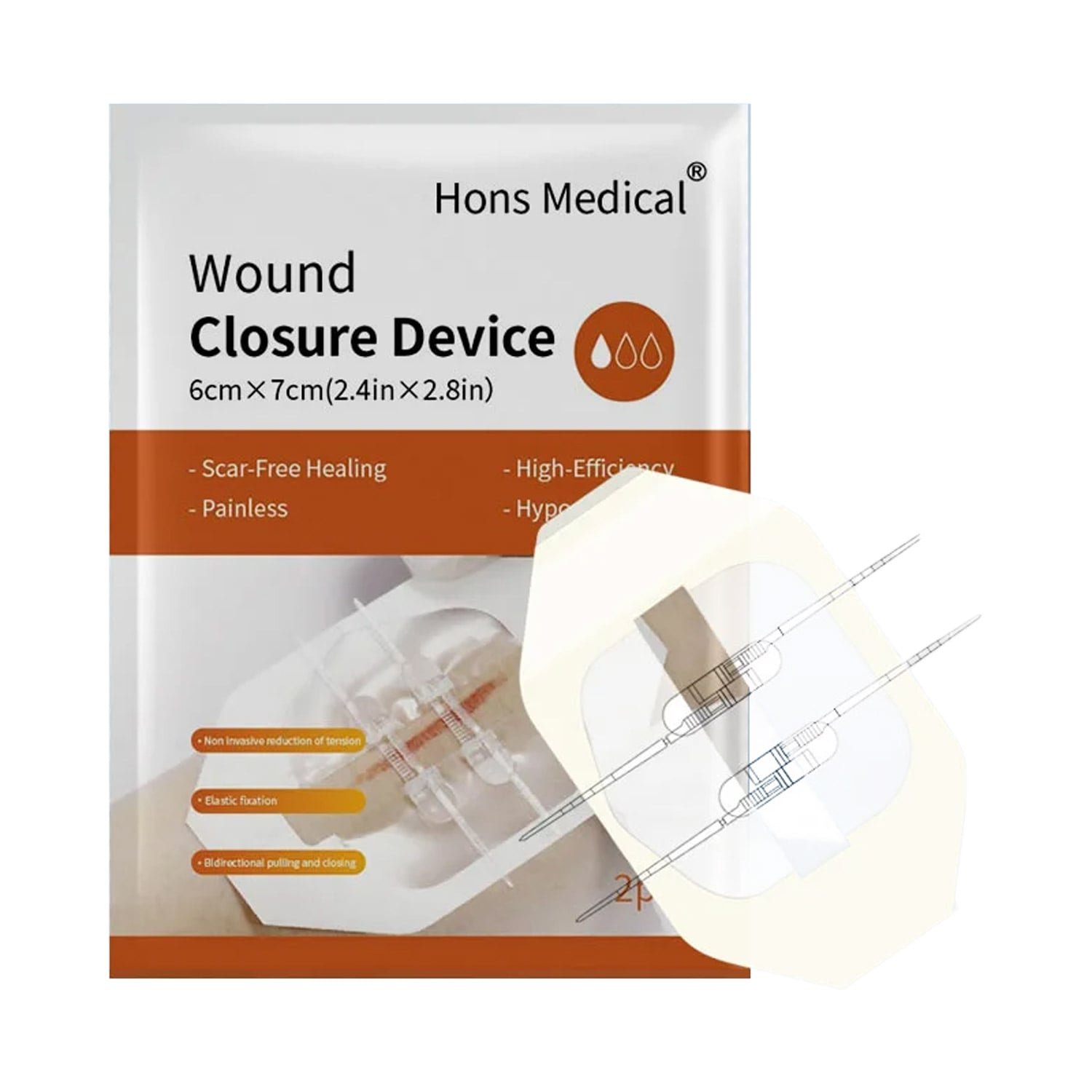
Wound closure material
Wound closure materials include traditional sutures (absorbable like Vicryl/PDS or non-absorbable like Nylon/Silk), surgical staples, skin adhesives (glues), and tissue sealants along with adjunctive skin tapes (Steri-Strips) for support, chosen based on wound tension, location, infection risk, and cosmetic needs. Key factors are absorption rate (natural/synthetic), structure (mono/multifilament), strength, and tissue reaction, with newer options like laser bonding emerging for minimal scarring.
Instruments Sterilization
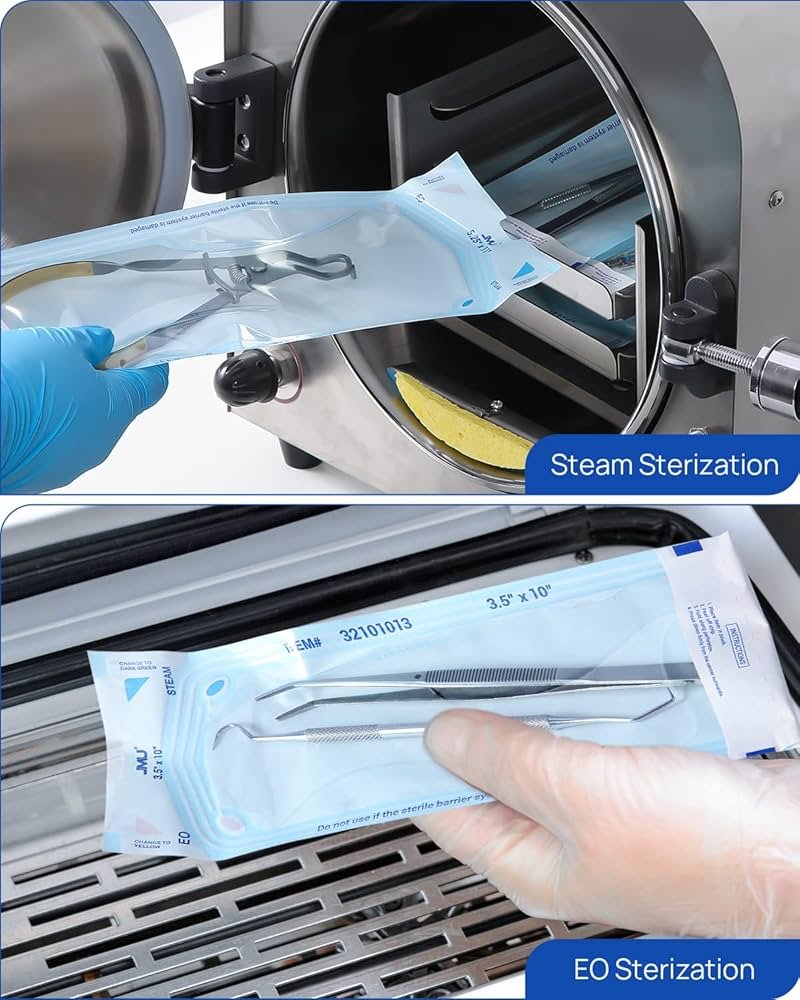
Skin instrument sterilization ensures all microbial life is eliminated, primarily using methods like steam autoclaving (most common for heat-tolerant items), dry heat, or low-temperature methods like ethylene oxide or hydrogen peroxide for heat-sensitive tools, with thorough cleaning (removing debris) always preceding sterilization for critical items penetrating skin.
Anaesthesia
Anesthesia in skin surgery uses topical, local, local injections, or, or regional/general anesthesia,/general anesthesia, chosen by procedure complexity, with local anesthesia being most common for numbing specific areas, while techniques like tumescent anesthesia (dilute anesthetic injected into tissue) provide numbing, reduce bleeding, and firm skin for procedures like liposuction or grafts. The goal is patient comfort, with options ranging from creams to deep sedation, impacting healing and outcomes.
Liposuction
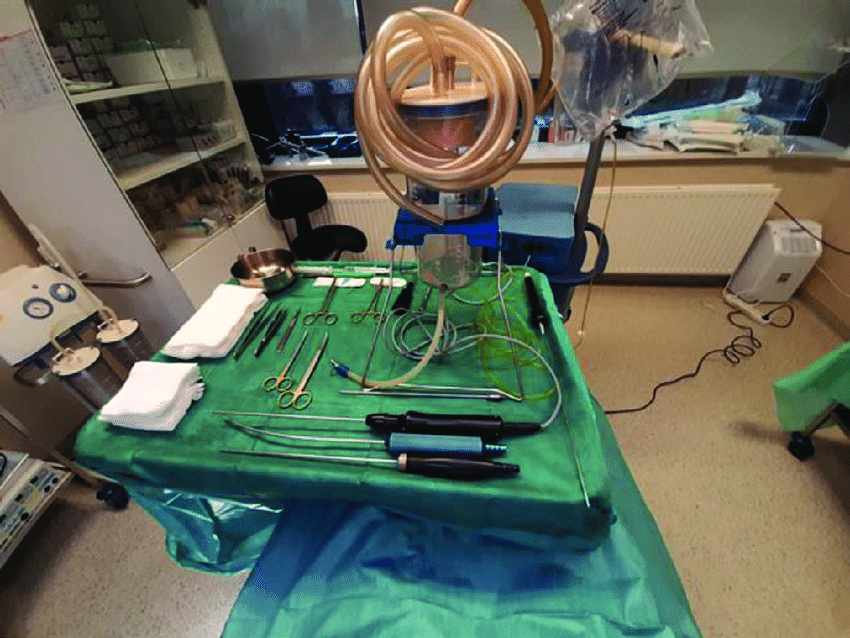
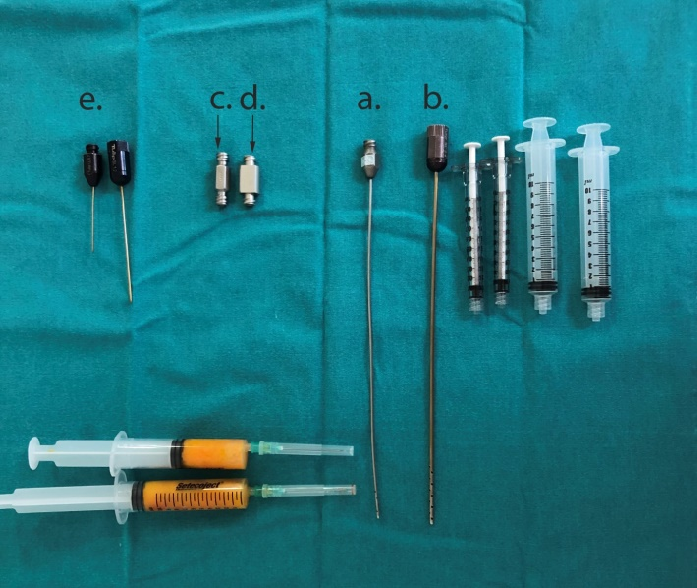
Liposuction is a cosmetic surgery that suctions out excess fat from specific body areas like the abdomen, thighs, hips, and arms to improve contour, not for weight loss or obesity treatment, but for sculpting areas resistant to diet/exercise. It uses a thin tube called a cannula inserted through small incisions to remove fat, with various techniques available (tumescent, laser-assisted, etc.). While it permanently removes fat cells, it’s best for those near their ideal weight, requiring compression garments post-procedure.
Dermabrasion
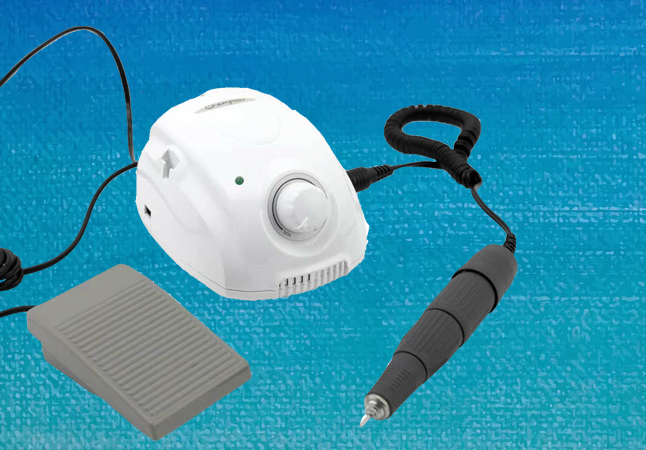
Dermabrasion is a skin resurfacing procedure where a dermatologist or surgeon uses a rotating tool to “sand down” the outer layers of skin, removing imperfections like acne scars, wrinkles, sun damage, and uneven texture, revealing smoother, healthier new skin underneath, though it requires downtime and strict sun protection during healing.
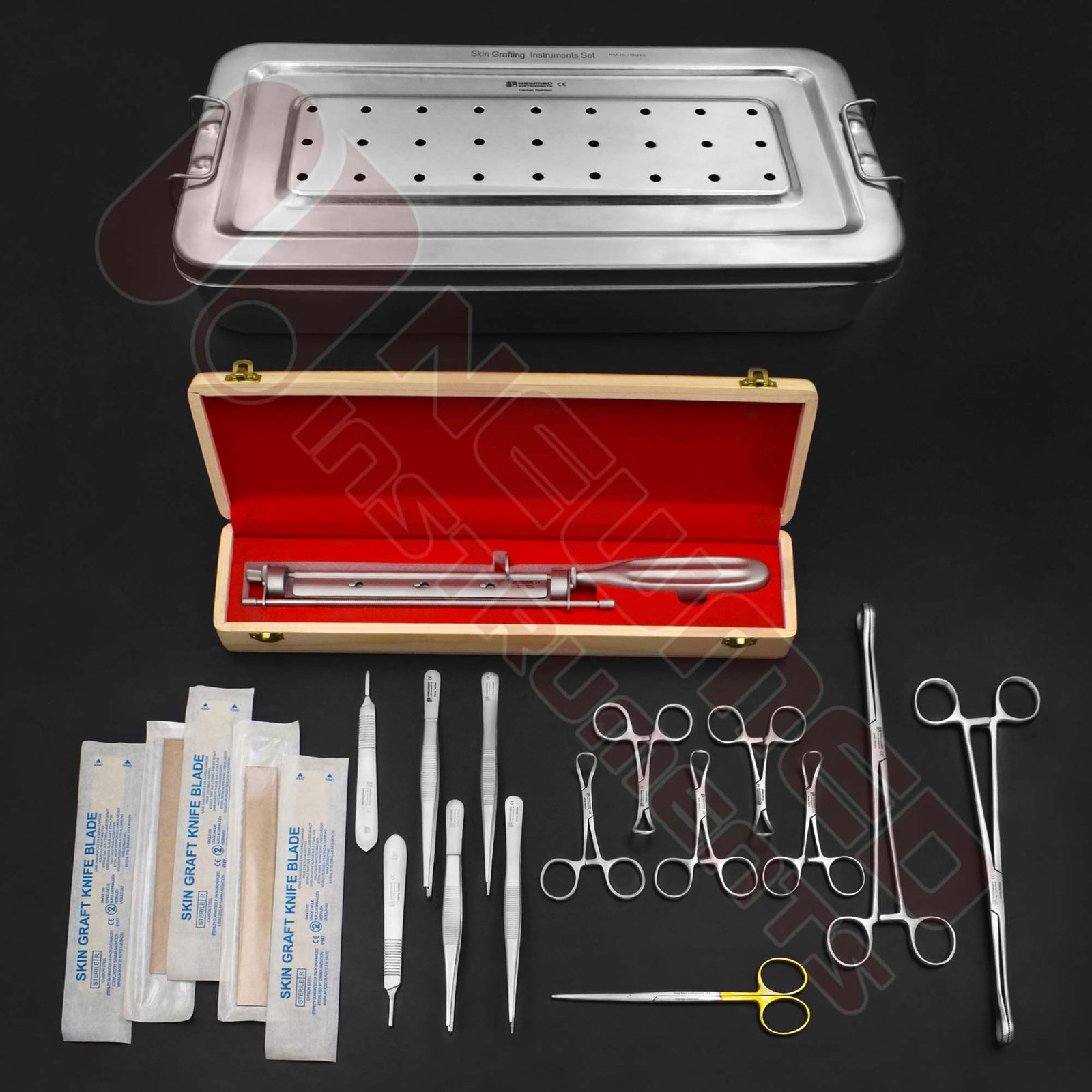
Skin Grafting
Skin grafting is a surgical procedure where healthy skin is taken from one part of the body (donor site) and transplanted to cover another area with damaged or missing skin, common for severe burns, injuries, infections, or cancer removal, aiming to promote healing, restore function, and improve appearance. Types include split-thickness (epidermis + part of dermis) and full-thickness (epidermis + all dermis), differing in healing, appearance, and donor site needs, with grafts lacking their own blood supply and relying on the wound bed for new vessels to grow.
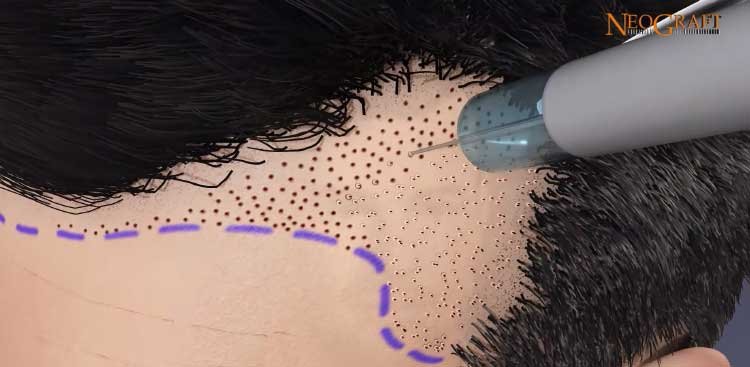
Hair Transplantation/Hair Restoration Surgery
Hair transplantation (HT) is a surgical procedure that moves healthy hair follicles from dense areas (like the back of the head) to thinning or bald spots, providing a permanent, natural-looking solution for hair loss by using your own hair. The two main methods are FUE (Follicular Unit Extraction), where individual follicles are taken, and FUT (Follicular Unit Transplantation), which involves removing a strip of scalp. It’s minimally invasive, done under local anesthesia, and results develop over several months, restoring hair density and confidence.

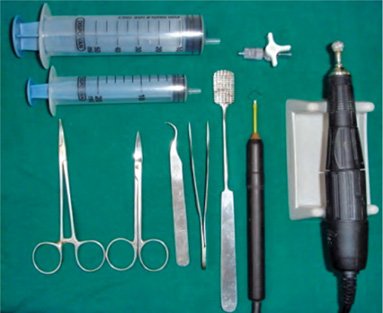
Basic HT Instruments
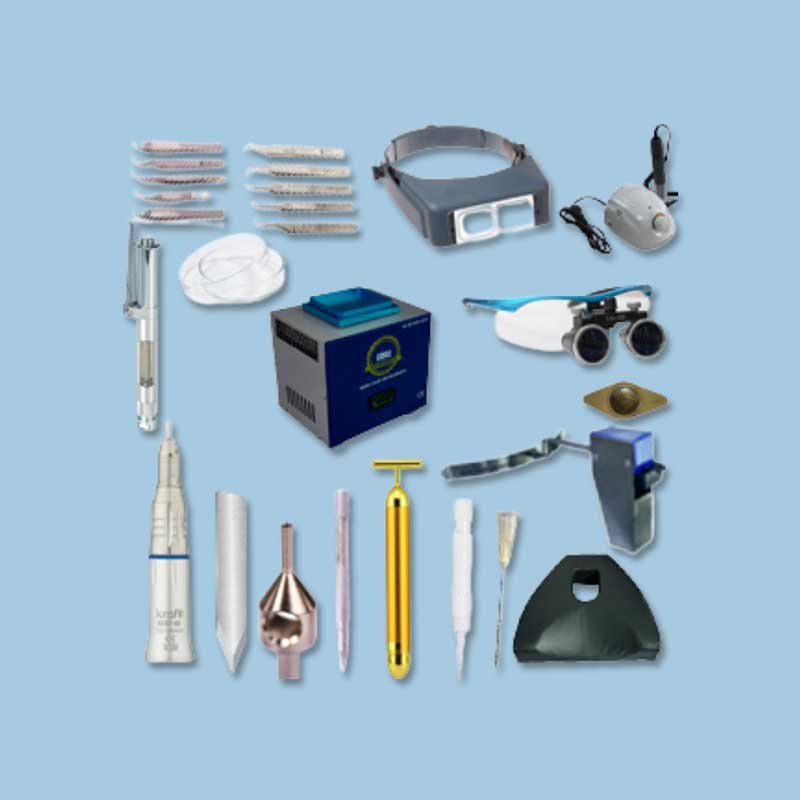
Semi-Automatic HT

Advanced Automatic HT
Nail surgery
Nail surgery treats persistent issues like painful ingrown toenails, fungal infections, tumors, or injuries, often using local anesthesia for quick in-office procedures. Common techniques include partial or total nail removal (avulsion) and destroying the nail matrix (where the nail grows) with chemicals (phenol) or lasers to prevent regrowth, with recovery focusing on keeping the area clean and protected. A podiatrist or dermatologist performs these precise procedures to relieve discomfort and improve nail health, with recovery times varying by technique and individual healing
VITILIGO—White Patches Surgery
Vitiligo surgery aims to restore skin color for stable patches by transplanting pigment-producing cells (melanocytes) from healthy skin to depigmented areas, using techniques like tissue grafts (punch grafting, suction blister grafting) or cellular grafts (melanocyte suspension), which offer better color matching for repigmentation, with results appearing in months and often boosted by post-op phototherapy. These are day-care procedures, often under local anesthesia, suitable when vitiligo has been inactive for a year, and include grafting (tissue/cell) and non-grafting methods.
Fat-Grafting
Fat grafting, also called fat transfer or lipofilling, is a cosmetic and reconstructive procedure where fat is removed from one part of the body (like the abdomen or thighs), processed, and then injected into another area to add volume, improve contour, correct defects, or rejuvenate appearance, utilizing the fat’s stem cells for natural-looking, long-lasting results. The process involves liposuction for harvesting, purification (often by centrifugation), and careful injection, commonly used for facial rejuvenation, breast augmentation, and scar correction.